Translate

Thursday, May 28, 2020

A 'Sonic the Hedgehog' movie sequel is on the way

After the first trailer for Paramount’s live-action Sonic the Hedgehog flick dropped, viewer reaction was so negative that it got delayed to change the main character’s CG look. But it debuted at #1 in the box office in February and eventually pulled...

from Engadget RSS Feed https://
via IFTTT

Google's 'Sodar' is an AR tool for social distancing

Google has a new augmented reality tool that can help you follow social distancing rules when you do have to venture out of your home. It’s an experimental project called “Sodar” — introduced by the Experiments with Google account on Twitter — that c...

from Engadget RSS Feed https://ift.tt/2XJteHe
via IFTTT

Android Central reviews the new iPhone SE — and likes it a lot

Come for the value, stay for the blistering performance and four years of software updates.
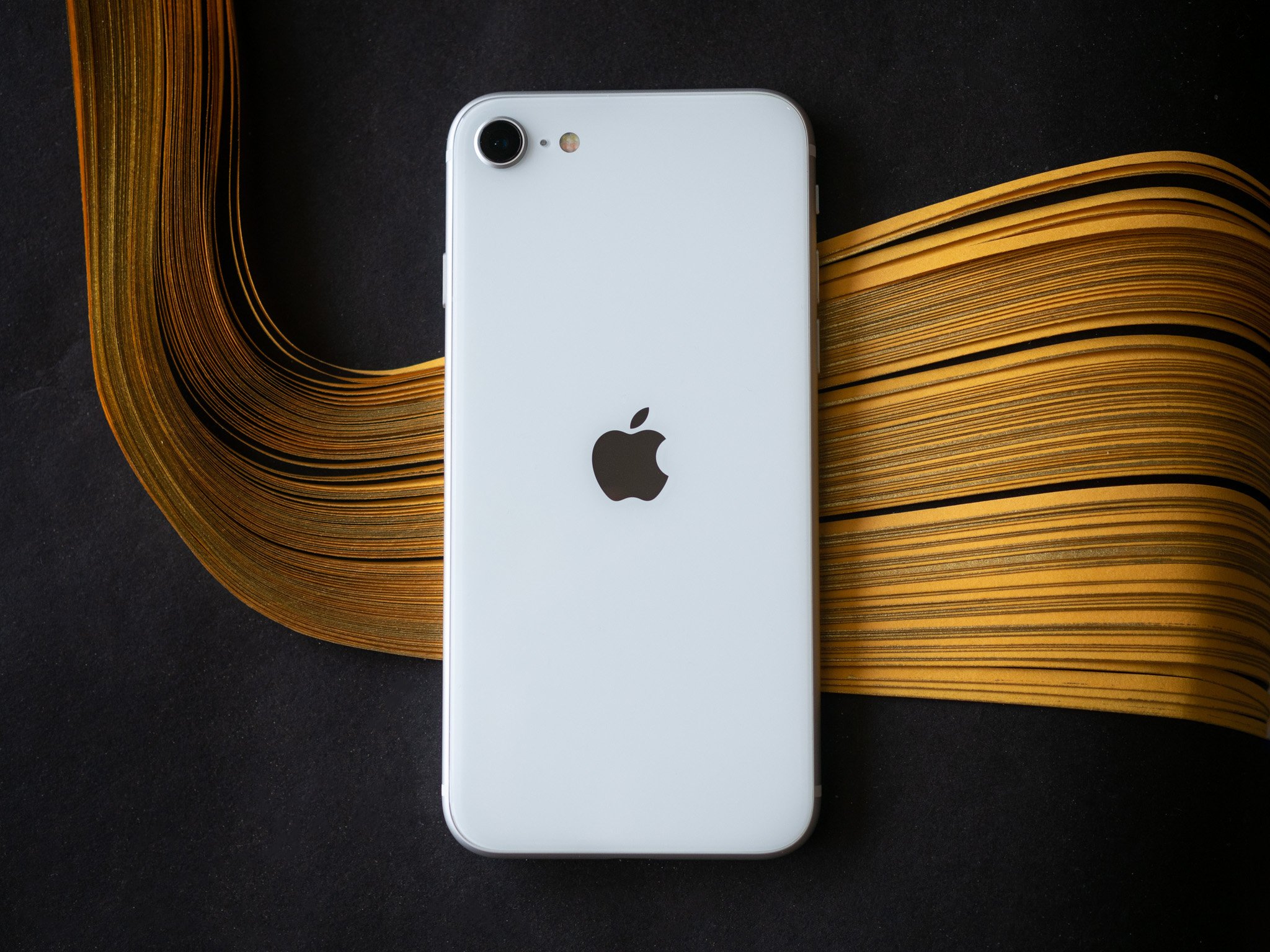
You wouldn't normally associate Apple with value, but that's exactly what the brand is delivering with the iPhone SE 2020. The phone features the A13 Bionic — the same chipset powering the iPhone 11 series — and it has an array of exciting features, including Wi-Fi 6, Bluetooth 5.0, IP67 rating, and even wireless charging.

The best part? The iPhone SE starts off at just $399. That is incredible when you look at just what you're getting here, and Apple is clearly targeting mid-range Android devices with its latest offering. The mid-range segment has seen a lot of growth in the last three years, with the current slate of devices featuring robust hardware, large displays, and multi-day battery life.

The iPhone SE bucks this trend. The phone itself retains the same chassis as the iPhone 8, and that means you get a compact 4.7-inch display with large bezels, making it ideal for one-handed use. There's also a physical home button with Touch ID — a rarity these days — and a solitary 12MP camera at the back. Then there's the fact that the iPhone SE will get at least four years of guaranteed updates; unheard of on Android.

Clearly, the iPhone SE has a lot going for it, and its positioning in the value segment invites comparisons to the multitudes of Android phones for under $500. So let's see what the iPhone SE 2020 is all about, and whether it makes sense for you to make the switch.

iPhone SE 2020

Bottom line: The iPhone SE 2020 has the most powerful chipset of any phone today, and you get a great camera that excels not only at photos but also videos. There's IP67 water resistance, wireless charging, and with at least four years of guaranteed updates, the iPhone SE will be going strong for several years. Oh, and the compact form factor means you can easily use it one-handed.

The Good

  • Unmatched performance
  • Compact form factor
  • Four years of guaranteed updates
  • Decent cameras
  • IP67 water resistance
  • Wireless charging

The Bad

  • Huge bezels
  • Camera is missing Night Mode
  • Average battery life

$399 at Best Buy ₹42,500 at Flipkart

About this review

I am writing this review after using the iPhone SE for a week in Hyderabad, India. The phone was running iOS 13.4.1 out of the box, and received an update to iOS 13.5 over the course of the testing period. The unit was connected to Jio's 4G network. Apple India provided the unit to Android Central for review.
iPhone SE Design and display

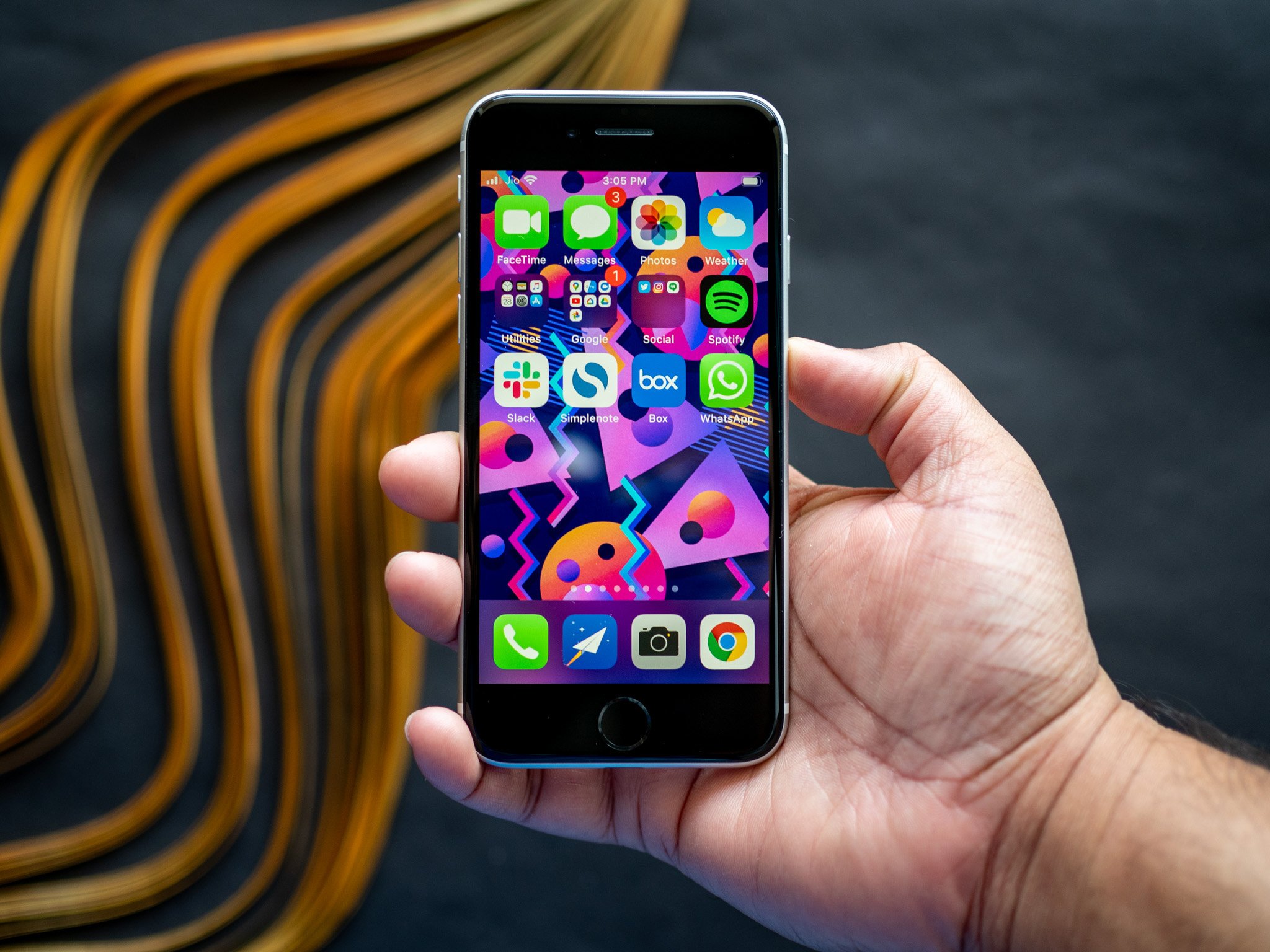
The first thing you notice when you start using the iPhone SE 2020 is the size. With even compact phones getting taller and narrower, there's nothing on Android that is quite as tiny as the iPhone SE. The closest would be last year's Galaxy S10e, but even that is 3.8mm taller than the iPhone SE. With dimensions of 138.4 x 67.3 x 7.3mm, it is the smallest phone in this segment.

The second thing you notice is the bezels. Android manufacturers have waged a war on bezels for the last three years, and the result is that you don't find them anymore on most devices. Sure, the Pixel 3a has chunky bezels at the top and bottom, but they look tiny compared to the iPhone SE.

The compact form factor makes the iPhone SE perfect for one-handed use.

But you know what? I didn't care about the huge bezels after a few days. I went from the Xiaomi Mi 10 — which has a massive 6.7-inch screen — to the iPhone SE and its 4.7-inch panel, and it took a while to get used to the device. For context, the iPhone SE is a full 24.1mm shorter than the Mi 10, so it was a big adjustment.

But I started enjoying the phone a lot more once I got used to the diminutive form factor. There is a certain joy in using a compact phone, and it is a shame you don't find many small phones these days. I loved using the Galaxy S10e last year, and the iPhone rekindles that excitement. The in-hand feel is excellent, and if you're looking for a compact phone in 2020, this is the one to beat.

Now, the iPhone SE may not be the best-looking phone in the market today, but it is based on a design that has sold over 500 million units. It has a form factor that is immediately familiar, and there's the added bonus that you can just pick up iPhone 8 accessories and use them with the iPhone SE. Sure, the design may be dated in 2020, but the fit and finish are top-notch — as you'd expect from an iPhone.

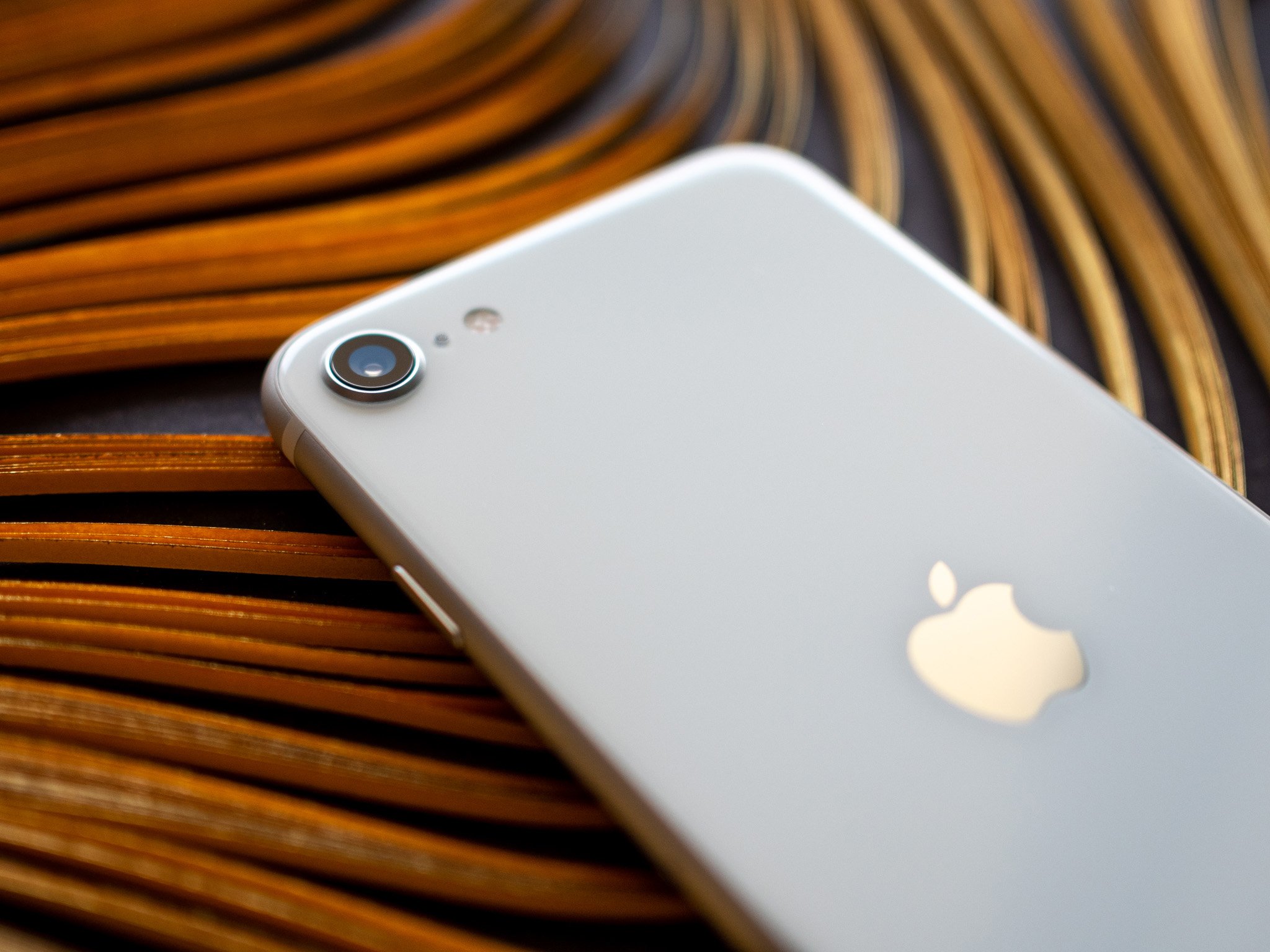
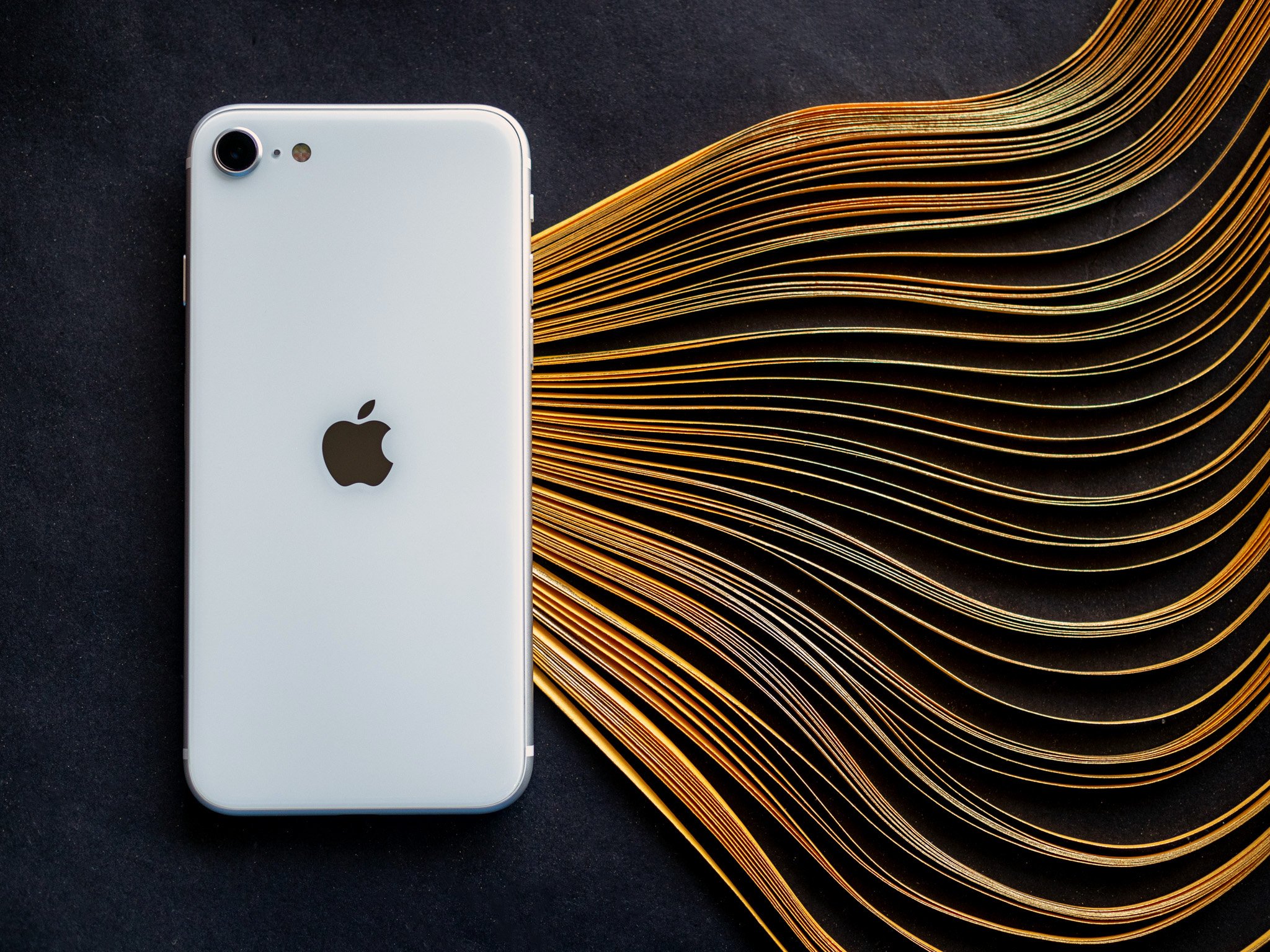
Let's get into the specifics. The iPhone SE has a glass back with an aluminum mid-frame, with a single camera lens at the back located at the top left corner. The branding at the back is limited to the Apple logo that sits halfway down the body. There are rounded corners on all sides, and the physical home button isn't an actual button but a haptic motor that facilitates Touch ID. It feels familiar to use a physical fingerprint sensor located at the front, and the sensor itself is fast and reliable, and it lets you sign into apps and make purchases on the App Store.

The iPhone SE is available in three color options — black, white, and red — and all models feature an all-black front. There's an oleophobic coating on the front and rear panes of glass, and they're also reinforced by a layer of Gorilla Glass. The power button is to the right, the volume rocker is on the left, and there's a dedicated toggle to put the phone into silent mode. You'll find two mics at the bottom — one inside each grille — and the primary speaker sits to the right of the Lightning port. The earpiece doubles up as the secondary speaker, producing decent stereo sound. Finally, like most phones in 2020, there's no 3.5mm jack.

It's a smart move by Apple to update an existing design with new hardware. Because the design itself isn't new and Apple doesn't have to add new tooling to its factories, it gets to save on production costs. That is likely one of the main reasons why the company decided to offer its latest A13 Bionic chipset on the device.
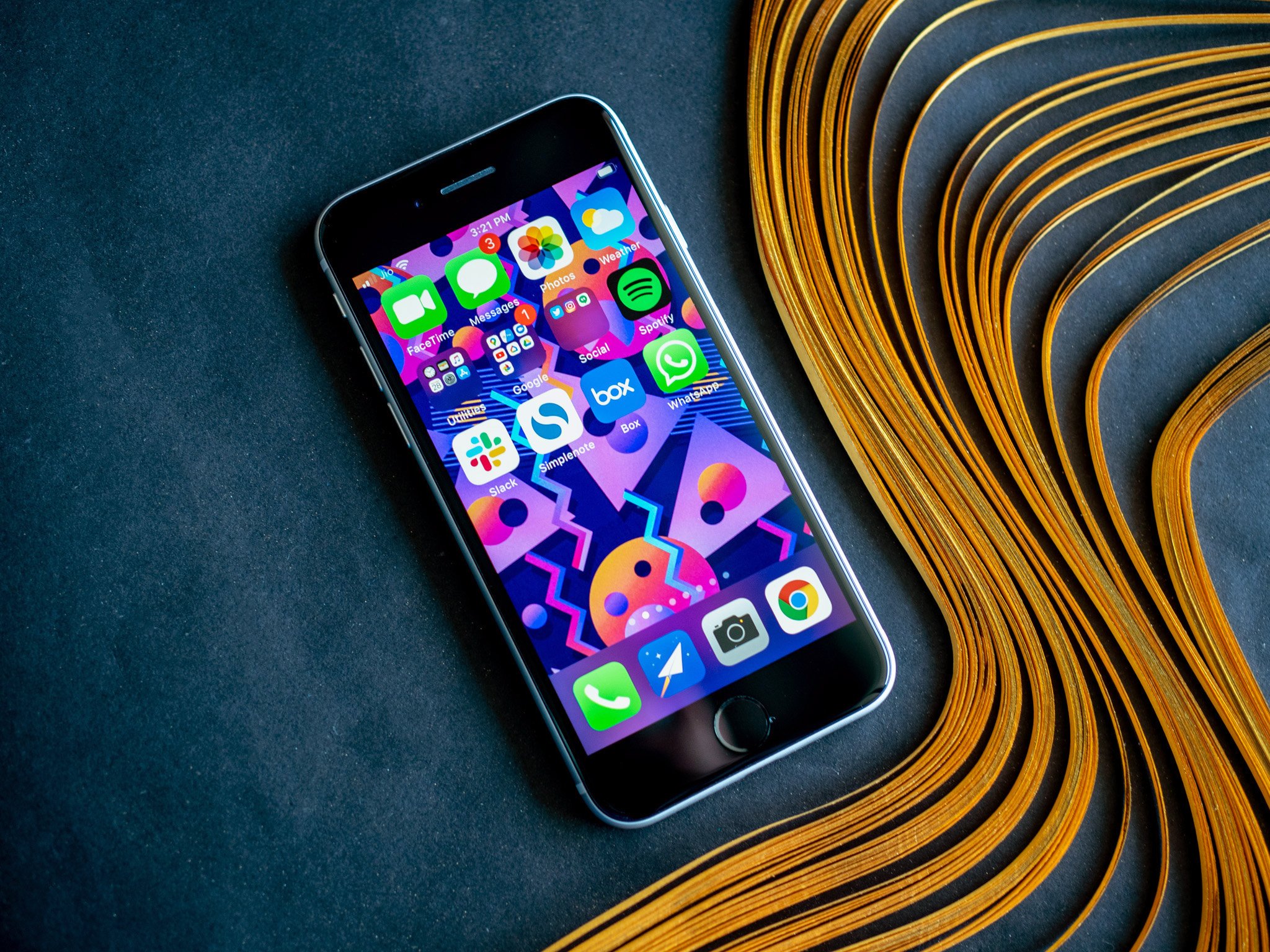
The iPhone SE has a 4.7-inch IPS LCD display with a resolution of 1334 x 750. The panel has True Tone tech, which adjusts the white balance dynamically based on the ambient light in your surroundings to deliver more natural colors. It does make a difference in day-to-day use, and while the screen size is tiny by today's standards, the panel itself is great.

The 4.7-inch screen is vibrant, and the bezels didn't bother me as much as I thought they would.

You get vibrant colors and excellent contrast levels, and the display gets sufficiently bright for outdoor use. The 16:9 ratio once again evokes familiarity, and games and videos run just fine on the phone. Yes, there are sizable bezels, but they didn't end up bothering me as much as I thought they would. In fact, if you can look past the bezels, there is a lot to like here. For one thing, there isn't another compact phone in the market that gives you the same level of performance.

Ultimately, the iPhone SE feels like a throwback. But what gives it an edge is that it is sporting the latest internal hardware. Think of it as a classic car that has been restored with a brand new engine and ceramic brakes. If I may continue the car analogy here, the iPhone SE feels like the Eagle Speedster — a modern interpretation of the classic Jaguar E-Type that looks absolutely stunning. Thankfully, the phone doesn't cost half a million dollars.
iPhone SE Hardware and battery life

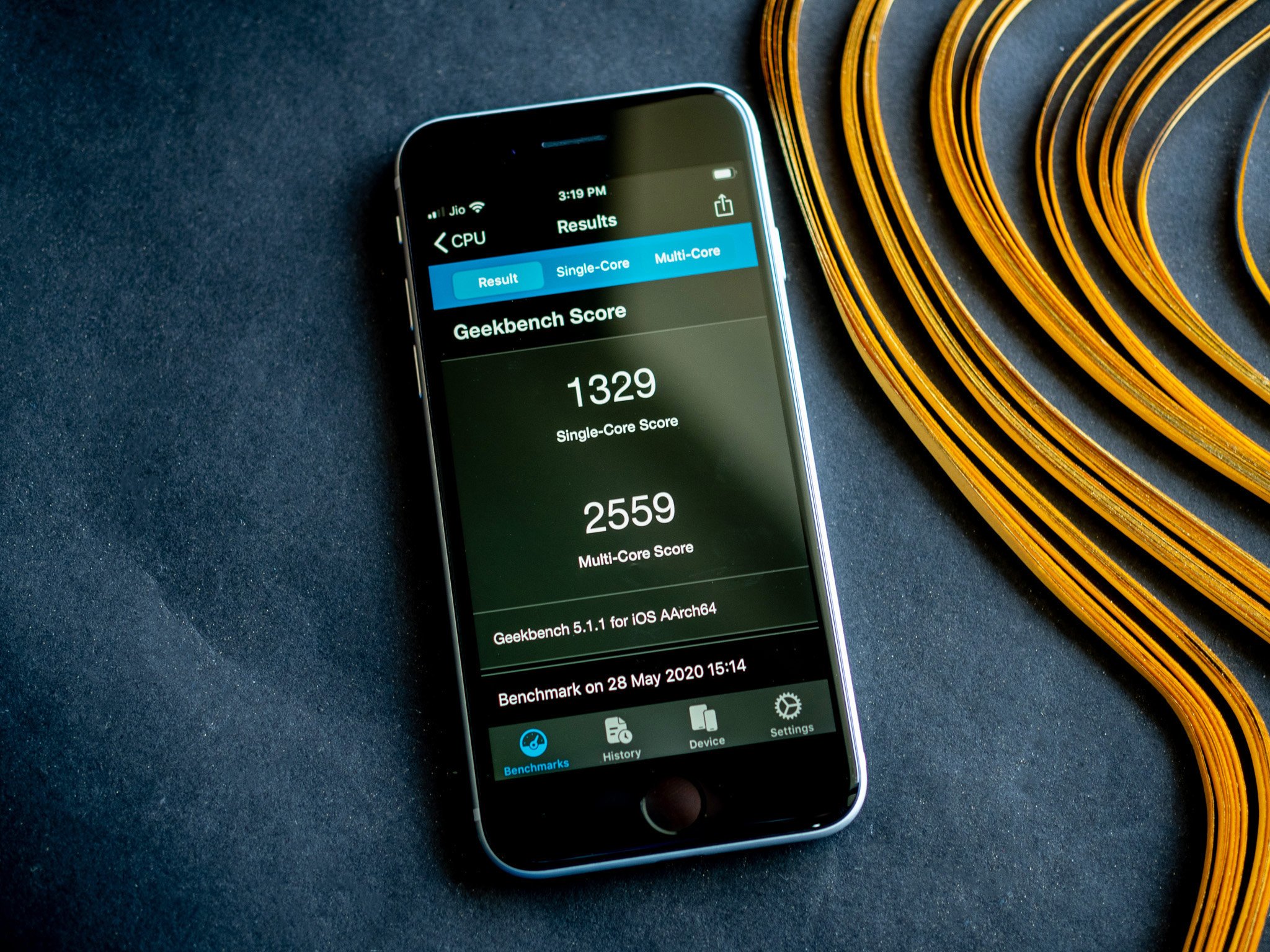
The standout feature on the iPhone SE 2020 is the A13 Bionic. The fact that the phone has the same chipset that's featured in the iPhone 11 series is a huge deal. The A13 Bionic is the fastest mobile chipset in the world today, and you can now get it on a $400 phone. To put things into context, the A13 Bionic pulls ahead of the Snapdragon 865, so the kind of performance that you get on the iPhone SE is unmatched — regardless of the price point.

Specs iPhone SE 2020
Software iOS 13
Display 4.7-inch (1334x750) IPS LCD
Chipset 2.66GHz A13 Bionic
RAM 3GB
Storage 64GB/128GB/256GB
Rear Camera 12MP ƒ/1.8 OIS
Front Camera 7MP ƒ/2.2
Connectivity Wi-Fi 6, BT5.0, NFC
Battery 1821mAh | 18W
Security Touch ID
Colors Black, White, (PRODUCT)RED
Dimensions 138.4 x 67.3 x 7.3mm
Weight 148g

Allow me to geek out a little over the A13 Bionic. The chipset is built on a 7nm node at TSMC, and it features six CPU cores in a 2 + 4 cluster: you get two performance cores that go up to 2.66GHz alongside four energy-efficient cores that max out at 1.73GHz. Apple is unique in that it controls both the hardware and software stack on its phones, and this allows the company to fine-tune its designs to eke out the most amount of performance.

Being an ARM architecture licensee gives Apple greater freedom in customizing ARM's cores to fit its needs. Qualcomm went a similar route with the Kryo 280 cores on the Snapdragon 820, but in recent years it has switched to a semi-custom design by making subtle tweaks to existing ARM cores. However, with the Snapdragon 865, Qualcomm is back to using stock Cortex A77 cores.

Because vendors like Qualcomm have to cater to a wide swathe of devices, they're not able to make the sort of fine-tuned adjustments needed to maximize the performance. Apple has the ability to do that because its chipsets are designed solely for its own phones, and this gives the company a sizable advantage. ARM is looking to reign in that performance differential with the Cortex X1 core, but we'll have to wait and see if it passes muster in real-world usage conditions.

What I'm trying to say is that the A13 Bionic holds its own next against whatever Qualcomm, Exynos, HiSilicon, or MediaTek have to offer in this category, and the fact that you are getting such a powerful chipset on a $400 phone is incredible. But enough talk; let's see what that translates to in terms of synthetic scores:

CPU

Geekbench 5.0 (Higher is better)

Device Single core Multi core
iPhone SE 2020 (A13 Bionic) 1382 2587
Xiaomi Mi 10 Pro (SD865) 911 3109
Realme X2 Pro (SD855+) 702 2252
Google Pixel 4 XL (SD855) 615 2424
Samsung Galaxy A71 (SD730) 411 1439
Google Pixel 3a XL (SD670)

The A13 Bionic dominates when it comes to single-core performance, pulling ahead of the Snapdragon 865 and the rest of the pack. But the SD865 is in the lead for multi-core performance.

Graphics

GFXBench Aztec Ruins Vulkan/Metal (Higher is better)

Device High Tier Normal Tier 1080p Offscreen
iPhone SE 2020 (A13 Bionic) 59 60 75
Xiaomi Mi 10 Pro (SD865) 29 44 52
Realme X2 Pro (SD855+) 25 38 46
Google Pixel 4 XL (SD855) 11 15 32
Samsung Galaxy A71 (SD730) 7.4 11 15
Google Pixel 3a XL (SD670) 6.7 10 12

When it comes to real-world GPU performance, the A13 Bionic edges out every other mobile chipset in the world today. The screen resolution combined with the power on offer here means you'll never see any slowdowns even during extended gaming sessions.

Web

Jetstream 2.0 (Higher is better)

Device Overall
iPhone SE 2020 (A13 Bionic) 133.586
Xiaomi Mi 10 Pro (SD865) 59.999
Realme X2 Pro (SD855+) 46.867
Google Pixel 4 XL (SD855) 47.542
Samsung Galaxy A71 (SD730) 45.688
Google Pixel 3a XL (SD670) 31.187

Speedometer 2.0 (Higher is better)

Device Overall
iPhone SE 2020 (A13 Bionic) 119
Xiaomi Mi 10 Pro (SD865) 69.4
Realme X2 Pro (SD855+) 49.6
Google Pixel 4 XL (SD855) 52.9
Samsung Galaxy A71 (SD730) 41.8
Google Pixel 3a XL (SD670) 30.4

The iPhone SE has a clear edge when it comes to Javascript web benchmarks. These tests measure the performance of a web browser, and as the numbers above highlight, the iPhone SE is in a league of its own.

As you can make out from the figures above, the iPhone SE is right up there with the best that Android has to offer. There are zero issues in day-to-day use, and the A13 Bionic handles everything from mundane tasks to visually demanding titles with a breeze. There's only 3GB of RAM here, but that's more than adequate for iOS, and I did not see any slowdowns whatsoever.

The A13 Bionic is exciting, but that's not all the iPhone SE has going for it. The phone features Wi-Fi 6 connectivity, a Gigabit LTE modem, Bluetooth 5.0, and NFC with Apple Pay. Apple led the way for haptics, and the iPhone SE has the same great haptic engine as the iPhone 11 series.

The iPhone SE blazes past every other phone in this category when it comes to performance.

The base variant has 64GB of storage, and the iPhone SE is also available in a 128GB option that costs $449 and a 256GB model for $549. Interestingly, the iPhone SE offers IP67 dust and water resistance. Outside of the Galaxy A8 series and other mid-range options from Samsung, there haven't been many phones that offered water-resistance — and as such it is nice to see that the iPhone SE has an IP rating. You can submerge the phone for 30 minutes in up to one meter of water, and it is resistant to spills from coffee, tea, soda, and other liquids.

The iPhone SE also has dual SIM connectivity, with an eSIM option available if you're planning to use the phone with more than one number. I didn't face any issues with calls or Wi-Fi and cellular data connectivity, and when it comes to the basics the iPhone SE doesn't have any problems.
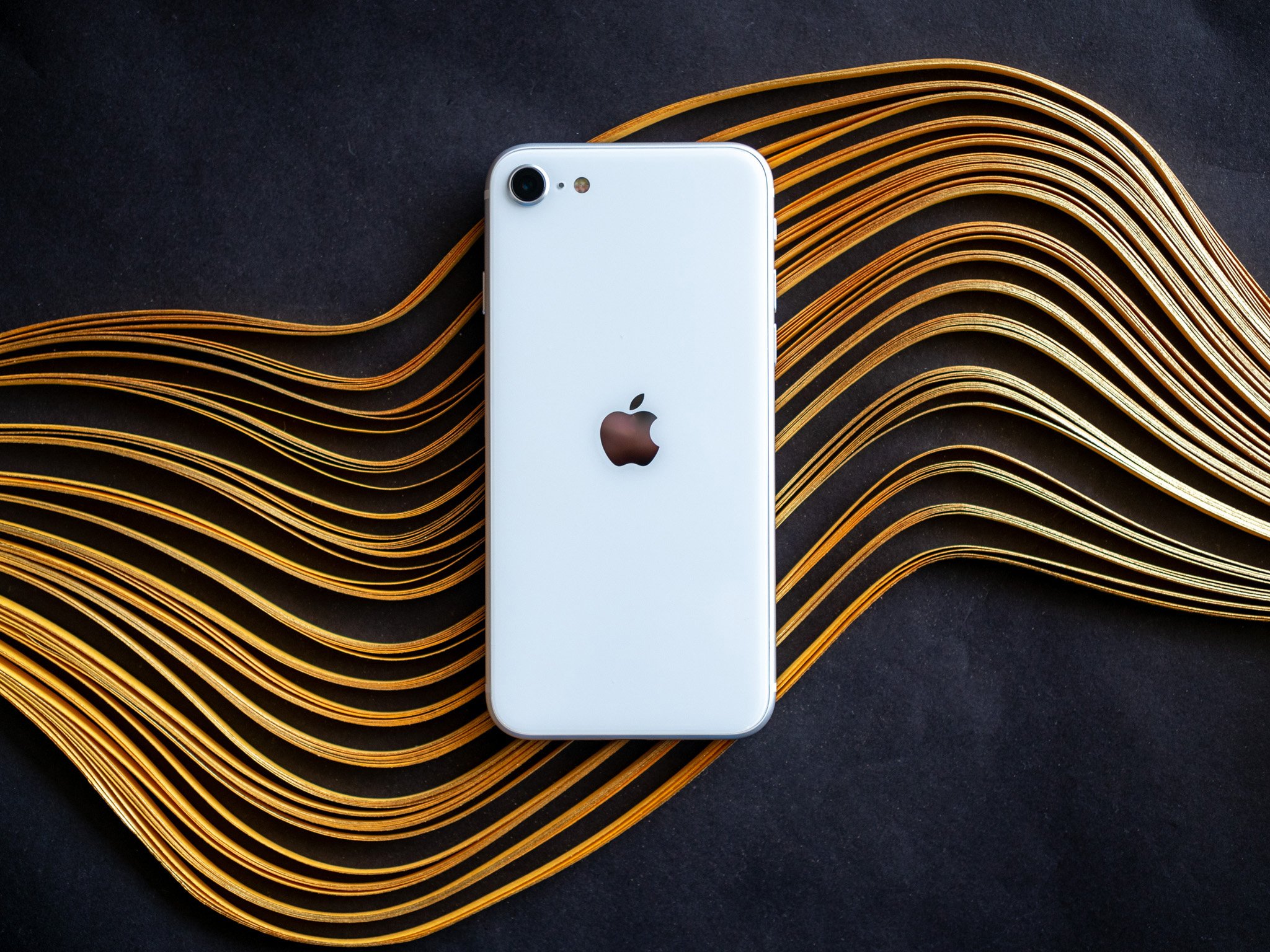
While the internal hardware has received a considerable upgrade on the iPhone SE, the 1821mAh battery is the same size as the iPhone 8. And what that means is that battery life is strictly average.

The iPhone SE has average battery life, and you get a paltry 5W charger in the box.

The fact that the phone has a 1334x750 screen helps things a little when it comes to extending battery life, and the 7nm A13 Bionic also contributes in its own way. In the week I used the iPhone SE, I averaged screen-on-time of four and a half hours spread out over the course of the day. While that's decent, under heavy usage, the battery isn't going to last until the end of the day.

I obviously didn't use cellular data nearly as much as I would if I went out to run errands, and the same goes for navigation. For average use cases involving a few hours of streaming music and scrolling through social media, the iPhone SE is still plenty great. But you will need to top up the battery during the day if you're planning marathon gaming sessions or binge-watching a TV show.

The one downside is that you get a paltry 5W charger in the box with the iPhone SE. The bundled charger takes well over two hours to fully charge the phone, but thankfully the phone has 18W fast charging, and you should pick up an 18W USB PD fast charger if you don't have one already. With an 18W charger, you'll get from zero to 50% in just over 30 minutes. The iPhone SE also has wireless charging, and you can use an existing Qi wireless charger with the phone.
iPhone SE Camera

Coming to the camera side of things, the iPhone SE has a single 12MP lens at the back and a 7MP camera at the front. Sure, you're missing out on the versatility of a wide-angle or zoom lens, but the 12MP camera is pretty great in its own right. Apple is touting that this is the best single-lens camera system it introduced to date.

The single 12MP camera takes great photos, and you can shoot 4K video at 60fps.

The inclusion of the A13 Bionic is the reason behind a lot of the improvements on the imaging front. You get portrait mode and portrait lighting effects on the phone, and it enables new AR use cases. The iPhone SE uses a combination of machine learning and augmented reality to automatically identify objects in real life, so if you're holding a coffee mug and point your viewfinder at it, the camera will identify it as such.

There's multi-band noise reduction as well, and it preserves natural skin tones and textures. Front camera is also getting a few advancements, and you get a portrait mode for selfies that's powered by machine learning and the A13's neural engine.

The camera on the iPhone SE leverages the A13 Bionic's ISP to deliver great photos. You get shots with excellent dynamic range and great color vibrancy — particularly in daylight. Photos aren't overexposed, and you don't see any noise. The phone holds up very well in low-light scenarios as well, but you do get a lot of noise in a few shots. Portrait shots come out great, with accurate edge detection and great depth of field.

The iPhone SE leverages Smart HDR, which was introduced on the iPhone 11. The feature does a great job with AI-based semantic rendering, and is able to distinguish between the subject and the background. This enables the camera to maintain details such as facial features even in poor lighting conditions.

There are advancements when it comes to video as well. The iPhone SE offers 4K video recording at 60fps with extended dynamic range and stereo audio recording. You also get slow-motion video, and the ability to take a video by holding down on the shutter button in photo mode — just like the iPhone 11 series. But the best part about video recording is that you get OIS and EIS with 4K video at 60fps, giving the iPhone SE a clear edge in this category.
iPhone SE Software

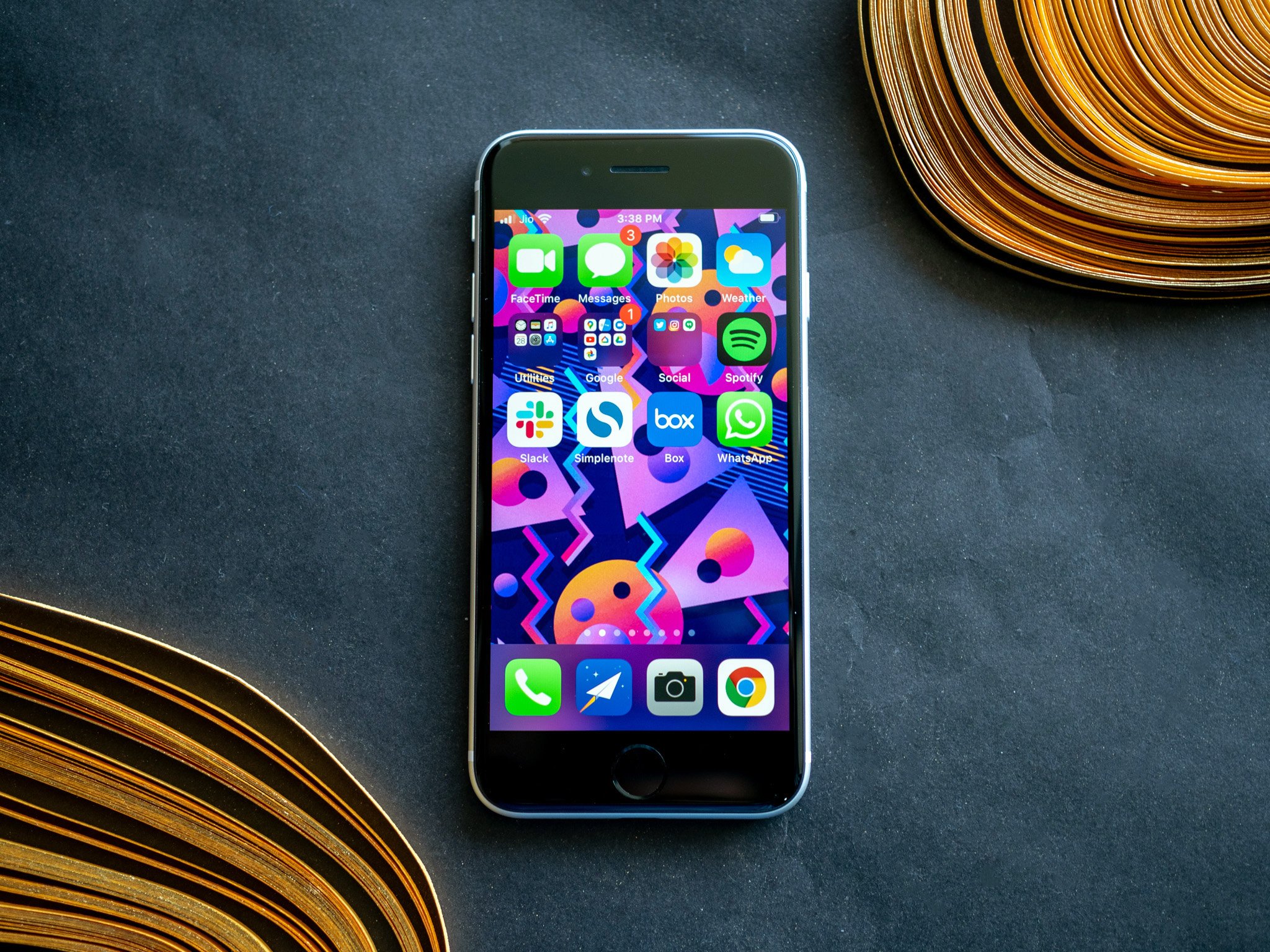
If you've used Android for any length of time, switching to iOS will be a disorientating experience at first. There's no app drawer, so all the apps you install are on the home screen. And the way notifications are handled is different to Android — there's no notification grouping, so the notification shade ends up looking rather busy. Thankfully, you do get the option to dismiss notifications en masse.

It takes a while to get acclimated to iOS 13, and your customization options are limited.

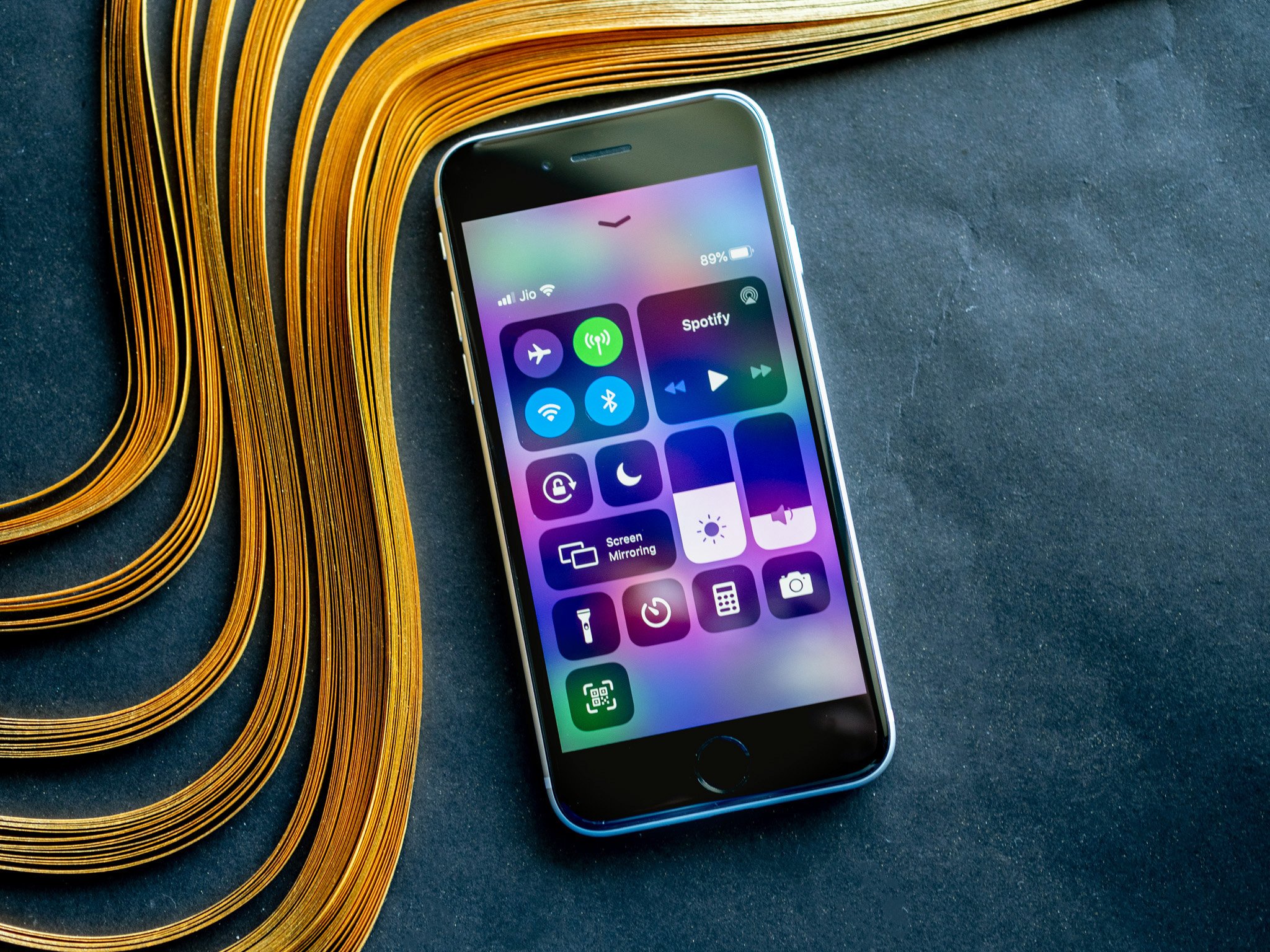
It definitely takes some time to get acclimated to iOS, particularly the fact that toggles for Wi-Fi and adjusting brightness are accessible from a swipe up gesture from the bottom of the screen. Control Center also has a music widget, and lets you access the flashlight, set up timers, launch the camera, scan QR codes, and toggle things like Wi-Fi Bluetooth, airplane mode, cellular data, AirDrop, and hotspot.

Like Android, you get the option to customize the layout of the controls, and add tiles for screen recording, voice memos, alarms, do not disturb, battery saver mode, and more from the settings. In terms of customization, you're limited to changing the background for the home and lock screens — there's no option to install your own launcher or change the look of the icons with an icon pack. Finally, if you use Google Assistant a lot on your Android phone, it takes a bit of work to get it going on iOS. First, you'll have to invoke Siri, and then launch Google Assistant — the "Hey, Google" hotword detection does not work on iOS.

Then there's the sharing menu. You don't get to see sharing options from all the installed apps. For instance, I transfer photos from phones I'm using directly to my NAS using DS File. Normally on an Android phone, I just select the photos in the gallery, hit the share button, and select DS File from the list. But the app doesn't show up in the share menu on iOS, so if I have to upload photos, I have to go into DS File and manually select photos from there. There are similar issues with the file manager, and it's harder than it should be to download files on iOS.
While customization options may be limited, iOS has plenty to offer in other areas. Usage of first-party apps like FaceTime and iMessage is ubiquitous in countries like the U.S., and that point was driven home when my sister refused to use the Pixel 3 XL and instead picked up the iPhone XS Max because all her friends were on iMessage.

There's no need to panic here — the iPhone SE is a fantastic conduit for Google services.

iOS also has several privacy safeguards, with Safari offering Intelligent Tracking Prevention to prevent browser fingerprinting, you get better control over permissions, and there's the option to limit access to hardware features like Bluetooth. Then there's the fact that you'll run into fewer issues with apps on iOS.

Now, if you're like me and use Google services primarily, you'll find a lot to like in iOS. Google's full complement of services are here, and they work just as well as they do on Android. You can easily change the keyboard to Gboard, set up Google Photos to back up photos and videos, navigate with Google Maps, use Google Home to manage smart home devices in your house, and use Google Drive to store documents and other data on the cloud.

Apple's software ecosystem also has a lot going for it. Services like Apple Music, Apple TV+, and Apple Arcade have a lot to offer, and as is the case with other Apple products, you get a year's worth of access to Apple TV+ for free when you pick up an iPhone SE.

The best part about iOS is the software updates. With at least four years of guaranteed updates, you're getting double the number of platform updates as most Android phones. That's a big selling point for the iPhone SE, and the fact that it is powered by the A13 Bionic means it will get updates for just as long as the flagship iPhone 11 series. Several mid-range Android devices do not get more than a single platform update, and it has become a point of contention. That is not a problem on iOS, and with the five-year-old iPhone 6s running iOS 13, software updates is an area where iPhones win by a considerable margin.

iPhone SE The Competition

There are a lot of great options in the mid-range category, and the obvious choice would be the Pixel 3a XL, which is now selling for $270. With the Pixel 4a not slated to launch until July, Google's 2019 mid-range offering is the best pick if you want an Android phone with a great camera and clean software.

If you need beefier hardware and the largest screen in this category, the 6.7-inch Galaxy A71 is the obvious choice. The 4G version is available for $365, and you do get a lot for your money.

Then there's the OnePlus 7T for $499. The phone comes with a 90Hz display and a powerful Snapdragon 855+ chipset, and you get 8GB of RAM and 128GB of storage as standard. You also get clean software in the form of OxygenOS, and decent cameras.
iPhone SE Should you buy it?

The new iPhone SE has a lot going for it. You get a familiar design with all-new hardware, and the performance on offer is unmatched in this category. You also get IP67 dust and water resistance, wireless charging, at least four years of software updates, and a camera that takes great photos.

Ultimately, the iPhone SE lowers the barrier to entry to Apple's ecosystem. Between the Apple Watch, AirPods, and HomePod, Apple managed to craft an enticing range of devices that interface with the iPhone. The software side of things is just as exciting, with Apple TV+, Apple Music, and Apple Arcade making a strong case for switching to the iPhone.

The iPhone SE is one of the best deals of 2020, but it's okay if you don't want to switch to iOS.

Look, there's no question that the iPhone SE 2020 is one of the best deals you'll find this year. The device also has the potential to do particularly well in markets like India, where it is available for ₹42,500 ($560). It's not quite the same value that you get in the U.S., but Apple has strong brand cachet in the country, and the fact that the iPhone SE has the A13 Bionic chipset and will get updates for four to five years will easily sway customers.

Then there's also the small matter that iPhones retain their value better over time, and you'll get a better resale value than Pixels or other mid-range devices. It doesn't take an economics degree to figure out that this thing is going to sell extremely well.

But whether you should switch to iOS is a decision that's entirely down to you. If you've been using an Android phone for a few years now, you would have picked up a lot of paid apps, subscribed to several services via the Play Store, and generally invested in the ecosystem.

So it's understandable if you're reticent to start all over from scratch. Having said that, the introduction of the iPhone SE is beneficial for the entire industry, because we'll start seeing Android manufacturers rolling out phones with more differentiated features to stand out in this segment. And the fact that there's a $400 phone with four years of guaranteed updates may even be the catalyst that pushes Android device makers to start offering more software updates.

What I'm trying to say is that if you've already invested heavily in the Android ecosystem and don't want to switch to iOS, that's fine. But if you've had issues with Android devices in the past and are looking for a change, then there isn't a phone today that offers quite as much value as the iPhone SE 2020.

4.5 out of 5

Buy it if

  • You're looking for a device with a compact form factor backed by outstanding hardware
  • You want a great camera with unmatched video recording
  • You need at least four years of guaranteed updates
  • You rely on wireless charging

Don't buy it if

  • You want a large screen with a high refresh rate
  • You need all-day battery life with heavy usage

iPhone SE 2020

$399 at Best Buy ₹42,500 at Flipkart

Throwing down the gauntlet

The iPhone SE 2020 has the most powerful chipset of any phone today, and you get a great camera that excels not only at photos but also videos. There's IP67 water resistance, wireless charging, and with at least four years of guaranteed updates, the iPhone SE will be going strong for several years. Oh, and the compact form factor means you can easily use it one-handed.


from Android Central - Android Forums, News, Reviews, Help and Android Wallpapers https://ift.tt/2TQJCEN
via IFTTT

Rony Abovitz confirms Magic Leap's new funding, will step down as CEO

About a month after augmented reality company Magic Leap announced significant layoffs, things have seemingly turned around a bit. Last week we heard that many of the rumored 1,000 layoffs had been put on hold after the company secured $350 million i...

from Engadget RSS Feed https://ift.tt/2yI5cUJ
via IFTTT

Daily Coronavirus updates: Amazon offers full-time jobs to seasonal workers

The coronavirus has spread to 188 countries around the world, and it shows no signs of abating. The pandemic has proved particularly devastating in recent weeks, with total confirmed cases crossing 5.5 million and fatalities of over 347,000 globally.

The virus has effectively shut down all sporting leagues around the world, major gatherings including tech events and music festivals, and closed down restaurants and malls. It has transformed how we live and work, and how we connect with our friends and families. Tech brands are doing their part to assist, with Google teaming up with Apple to build a coronavirus tracking tool.

Here's the latest on the coronavirus and how it's affecting not only the tech industry, but also the world at large.

May 28, 2020: Amazon offers full-time jobs to 125,000 temporary workers

  • Amazon is offering full-time jobs to 125,000 of the 175,000 seasonal workers it hired earlier this year to meet demand during the pandemic. Amazon is committing to a minimum wage of $15 an hour and training programs to allow workers to switch to other roles within Amazon or elsewhere.

May 27, 2020: Google plans to open offices starting July 6

  • Google has detailed how it will open its offices at various locations around the world. The first few offices will be back up and running starting July 6, with Google putting strict health and safety measures. Google is aiming to hit roughly 10 percent building occupancy, with the number going up to 30 percent by September. Google is also allocating $1,000 to let employees buy equipment for working from home.
  • Google is adding new features to assist small businesses in Google Maps and Search. In addition to introducing direct delivery options, Google is making it easier for restaurants and other businesses to offer gift cards and virtual services.

May 26, 2020: Amazon ramps up COVID-19 testing efforts, Apple and Google's exposure notification tech goes public

  • Amazon's Lab126 — the hardware incubator that's behind the Kindle and Echo devices — is now hiring engineers for its COVID-19 testing lab. The retailer is also seeking assistance from internal teams for its ongoing efforts, with both the Kindle and Echo hardware teams working on the testing project.
  • The first contact tracing app that uses Apple and Google's exposure notification APIs has gone live in Switzerland. The SwissCovid app is now being trialed in the country, with broad availability set to kick off in mid-June.

May 25, 2020: Global COVID-19 cases tick past 5.5 million

  • Lockdowns are easing across the world, but COVID-19 cases continue to be on the rise. The last 24 hours have seen another 87,300 new cases, with fatalities across the world crossing 347,000 to date. There has been a meteoric rise in cases in Brazil and Russia over the last two weeks, with both countries now trailing the U.S.

May 22, 2020: Facebook shifts to indefinite remote work, Google isn't ready just yet

May 21, 2020: UK contact tracing app won't be available until June

  • The UK's NHS has previously stated that its contact tracing app would be available around mid-May, but that has been pushed to June. The government is using its own solution instead of Google and Apple's API, and it looks like it's facing issues with battery drain.
  • With everyone locked indoors, there's been a predictable increase in app downloads from 2019. App downloads surged by 34% in Q1 2020, accounting for 596 million gigabytes.
  • Spotify now allows all employees to work from home, as per a report by Music Business Worldwide. The company has told employees that "they can individually decide with "full discretion" whether or not to return to company workspaces before next year."
  • Google Maps now highlights hotels and guest rooms with special deals for COVID-19 responders and frontline workers.

May 20, 2020: Google and Apple launch Exposure Notifications to take on COVID-19

  • Google teamed up with Apple to make Exposure Notifications technology available to health agencies across the globe. These agencies will be able to use the API to launch their own offerings. Users will have to opt-in, and the tech does not track their location.

May 19, 2020: IFA will continue as planned with an in-person tech conference

  • Most tech events have been called off because of the pandemic, but IFA will go through as scheduled from September 3-5. It will not be open to the public, and will be limited to 1,000 attendees for each event per day.

May 18, 2020: Apple details plans to reopen its retail stores

  • Apple's head of retail Deirdre O'Brien has highlighted the company's plans to reopen its retail stores. Apple is going to limit the number of customers permitted within its stores, and in a few locations it will provide curbside pickup. Most of the retail stores worldwide are still shut, but 25 stores in the U.S. and 12 in Canada will be opening over the coming week.
  • China's Huami is a wearable manufacturer best known for producing Xiaomi's Mi Band fitness bands, and now the brand is working on a see-through plastic mask that can disinfect itself. It does so by using UV lights that clean the inner surface of the mask.

May 15, 2020: Foxconn profits plunge as video games see record growth

  • With everyone staying indoors, the video game industry has seen a predictable boost in revenue, with $10.86 billion in sales recorded for the first quarter of 2020 in the U.S. alone.
  • At the same time, an extended lockdown in China meant that production facilities like Foxconn were shut down, leading to a 90% decrease in profits.

May 13, 2020: Uber commits $50 million to driver safety, shares new guidelines

  • Uber is rolling out limits on the number of passengers in vehicles and is requiring that drivers and passengers wear face masks. It is also using a verification system to make sure drivers wear masks at all times. The ride-sharing service has mentioned that it is setting aside $50 million for sourcing protective gear for drivers.

May 12, 2020: Tesla restarts operations at factory even though shelter-in-place orders are still in effect

  • Tesla CEO Elon Musk tweeted that the car maker's factory in Fremont, California has resumed production even though the Alameda County's stay-at-home order is still in effect. Musk has been increasingly vocal about the continued lockdown, and said that he will be "be on the line," and that "if anyone is arrested, I ask that it only be me."
  • Singapore is now rolling out a mandatory surveillance system dubbed SafeEntry that requires users to scan a barcode using their phones whenever then enter public locations, like schools, stores, hotels, and workplaces. With the country seeing a second wave of COVID-19 cases, it is taking heightened measures to curb further spread of the virus.

May 11, 2020: Twitter will now label COVID-19 misinformation

  • Twitter will now actively warn users with " labels and warning messages to provide additional explanations or clarifications" around COVID-19 misinformation. The move comes after Facebook has also undertaken similar measures to warn users of misleading posts on its platform.

May 8, 2020: You'll need to wear a face mask to use Lyft

  • Lyft is now making face masks mandatory for both drivers and passengers. Those that don't agree to the new policy will be barred from using the ride-sharing service. Uber is said to be mulling similar guidelines for its own platform.

May 7, 2020: Facebook extends remote work through end of 2020

  • With the virus showing no signs of slowing down, Facebook has extended its remote working guidelines through the end of 2020. The social networking giant will open its offices starting July 6, but most of its workforce will not be asked to come in and instead work remotely.

May 6, 2020: Tinder is going to add video dating features shortly

  • Global COVID-19 cases have crossed 3.75 million, with 79,200 new cases registered over the last 24 hours. The U.S. has been hit particularly hard, with the country's tally going up to 1.22 million. The virus has recorded 263,000 global fatalities, with the U.S. alone witnessing 73,000 deaths due to the virus.
  • Tinder has announced that it will offer a video dating service next quarter. The news comes on the heels of slow usage in the first quarter of 2020 as quarantine and social distancing protocols went into effect around the world. And with Facebook also announcing that it is rolling out virtual dating on its dating platform, Tinder had to follow suit.

May 5, 2020: YouTube reveals star-studded roster for its virtual graduation ceremony

  • YouTube has announced that former president and first lady Barack and Michelle Obama will be headlining its 2020 virtual graduation ceremony, and they'll be joined by Sundar Pichai, Nobel Prize winner Malala Yousafzai, and musicians Lady Gaga and BTS. The event will kick off on June 6 at 3 p.m. ET at this link.
  • Xiaomi is finally gearing up to kickstart its business in India, with the brand rolling out its Mi Commerce platform. The platform lets users locate nearby stores that sell Xiaomi products they're looking for, and they can register interest and get delivery of that product from Xiaomi's retail team.

May 4, 2020: There's now a WhatsApp chatbot that debunks coronavirus hoaxes

  • Poynter Institute has rolled out a WhatsApp chatbot that debunks over 4,000 hoaxes related to the coronavirus. The chatbot is available to WhatsApp users around the world, and relies on information sourced from over 100 independent fact-checkers in more than 70 countries. You can access the chatbot by adding +1-727-291-2606 to your contacts list, or going to this link: http://poy.nu/ifcnbot.
  • Yelp is highlighting businesses that offer virtual services, including virtual consultations and classes. Restaurants offering curbside pickup will also be highlighted in an upcoming update.

May 1, 2020: Coronavirus causes a huge decline in global phone shipments

  • The global pandemic has caused the smartphone industry to plummet to 2014 levels, with global phone shipments in the first quarter of 2020 coming under 300 million.
  • Valve has indefinitely delayed the 2020 edition of The International, the global Dota 2 tournament with a cash prize that exceeded $30 million last year.

April 30, 2020: Elon Musk calls California's lockdown 'fascist'

  • Elon Musk has commented on California's lockdown, stating that the extended shelter-in-place orders are "fascist".
  • A new survey reveals an increase in smart speaker usage due to the coronavirus lockdown. 35% of adults in the U.S. say they're now getting news and other information via smart speakers, with 36% noting increased usage.

April 28, 2020: YouTube starts fact checking videos in the U.S., Facebook rolls out a virtual graduation party

  • YouTube started fact checking videos in Brazil and India earlier this year, and the video streaming platform is now doing the same in the U.S. to prevent COVID-19 hoaxes.
  • Facebook says it will stream a a virtual graduation ceremony to celebrate the class of 2020. The virtual event will feature a commencement address from Oprah Winfrey, and include the likes of Miley Cyrus, Lil Nas X, Awkwafina, and Jennifer Garner. The event kicks off on May 15 at 2pm ET.

April 27, 2020: Global COVID-19 cases inch closer to 3 million

  • Global COVID-19 cases saw another surge over the weekend, with 150,000 new confirmed cases. The global tally now stands at 2,982,933, with total fatalities of 206,833. The U.S. has registered 965,933 cases in total, four times as many as Spain.
  • Amazon is tackling fraud on its platform by screening third-party sellers via video calls.

April 24, 2020: Samsung and Google provide free phone repair services to frontline workers

  • Samsung and Google are teaming up with uBreakiFix to provide free phone repair services for healthcare workers on the front lines. The program will be in effect through June 30, and includes cracked screen issues as well as switching out faulty batteries.

April 22, 2020: Twitter takes action against misleading COVID-19 tweets

  • Global COVID-19 cases have crossed 2.6 million, with 74,000 new cases registered in the last 24 hours. With six times as many cases as any other country, the U.S. is in the unwelcome position of being in the lead with 842,000 confirmed cases and over 46,000 fatalities.
  • Twitter is now actively removing tweets that make unverified claims around COVID-19. The platform said it removed over 2,230 tweets, and that it will continue to do so if it finds tweets that "incite people to action and cause widespread panic, social unrest or large-scale disorder."

April 21, 2020: IFA 2020 set to go virtual as Germany extends social distancing guidelines

  • IFA 2020 is set to take on an "innovative" new format that will likely see the conference go virtual in the wake of the coronavirus. Germany has banned all events with more than 5,000 participants until 24 October, so it is possible the show will go online-only.

April 20, 2020: Facebook rolls out new COVID-19 tool, Amazon goes thermal

April 17, 2020: COVID-19 cases cross 2 million worldwide

  • COVID-19 cases have seen another surge in the last week, with the virus crossing 2 million cases globally. There have been 96,700 new cases in the last 24 hours, with the U.S. seeing 31,500 new infections. The U.S. has 671,500 confirmed cases and 33,286 fatalities, more than any other country.

April 16, 2020: Apple slowly starts reopening its retail stores

  • Apple will start reopening stores in select locations around the world, beginning with South Korea. The country has over 10,500 cases of the virus and has fared better than most regions in dealing with the pandemic. There's no mention of when U.S. retail stores will open, but it looks like the company will evaluate the situation in May.

April 15, 2020: Google fights COVID-19 malware, slows hiring

  • Google mentioned that it is seeing a surge of malware and phishing emails related to COVID-19, with the search giant noting that the number is as high as 18 million a day. That number doesn't include the 240 million spam messages a day about the virus. Google is relying on its AI smarts to filter out these messages automatically, but you should be more careful than usual when clicking through in an email.
  • Google is slowing down hiring and re-evaluating investments in marketing and data centers amid the COVID-19. Google initially planned to hire 20,000 workers over the course of the year, but that won't be the case anymore.

April 14, 2020: Nest reduces quality to ease bandwidth strain, Sony sets up $10 million fund

  • In addition to limiting video quality on YouTube, Google announced that it would reduce Nest camera quality to ease the strain on broadband lines.
  • Google has confirmed that it will deliver updates to its COVID-19 tracking tool directly from the Play Store.
  • Sony announced it is setting up a $10 million fund to assist indie devs impacted by COVID-19. PlayStation is also giving away two free games — Uncharted: The Nathan Drake Collection and Journey — starting April 15.
  • Apple is joining Google and Facebook in sharing aggregated data from Apple Maps to allow governments understand how social distancing guidelines are working.

April 13, 2020: Amazon is once again accepting non-essential items

  • Amazon is once again accepting shipments of non-essential items into its fulfillment centers. The site saw a huge spike in orders following the start of the outbreak, and it only allowed household goods and medical supplies into its warehouses over the course of the last month. The retailer already hired 100,000 workers to deal with the influx in orders, and is set to hire 75,000 more.
  • Microsoft is giving an additional $35 million worth of resources to non-profits on the front lines of COVID-19. The resources include Azure credits, free Windows upgrades, and free training services.

April 11, 2020: Google and Apple introduce coronavirus tracking system

  • Google and Apple are working together to assist governments in fighting COVID-19. The solution relies on Bluetooth to track the spread of the pandemic.

April 10, 2020: Amazon sets up COVID-19 testing lab, Microsoft delays Neo

  • COVID-19 cases have crossed 1.6 million, with the U.S. tally going up to 466,000. Global fatalities stand at 97,200, with the number in the U.S. at 16,703.
  • Amazon says it set up a dedicated team consisting of research scientists and program managers to create its own testing lab for COVID-19. The lab will provide testing kits for Amazon's front-line workers as the retailer tries to negotiate a balance between serving customer orders and ensuring the safety of its workforce.
  • Microsoft is delaying its dual-screen Surface Neo to 2021. Windows 10X devices will also not be debuting this year.
  • T-Mobile has shared interesting insights regarding traffic usage on its network. With everyone working from home and classes being held online, T-Mobile saw an increase of 167% in education apps, and a similar uptick in video collaboration services.

April 9, 2020: Google bans Zoom usage over security fears

  • Zoom has emerged as the go-to videoconferencing service over the last two months, but a spate of privacy and security issues have tarnished its image. According to BuzzFeed, Google is banning its workforce from using the service altogether over security issues.

April 8, 2020: Amazon halts third-party deliveries

  • Amazon announced it was halting its third-party delivery service to focus on its own packages. The retailer has seen a surge in orders in the wake of the pandemic.
  • Boutique PC manufacturer Maingear will use part of its production facilities to make ventilators for the New York region. New York City has been hit hardest by the pandemic, with the city already recording over 6,000 fatalities. Maingear says its ventilator is made from off-the-shelf parts — including an NVIDIA Shield tablet running custom software — and that it costs a quarter of a regular ventilator's manufacturing costs.

April 7, 2020: Microsoft asks all U.S. employees to work from home 'until further notice'

  • Microsoft is now urging all U.S. employees to work from home "until further notice." The tech giant mandated work from home for its U.S. workforce three weeks ago, and with the virus continuing its deadly spread, Microsoft is extending its remote work guidelines. Microsoft has also confirmed that all of its events will be digital-only until July 2021.

April 6, 2020: Amazon donates 8,200 laptops to Seattle students

  • Amazon has announced that it is donating 8,200 laptops to Seattle Public Schools families. The district shut down all schools nearly a month ago and switched to online classes, with Amazon's donation ensuring families have a device to access at home.
  • School districts around the U.S. have started banning Zoom after security issues were found in the videoconferencing service. The New York public school system is switching to Microsoft Teams.

April 4, 2020: 100,000 new COVID-19 cases registered in one day

  • COVID-19 cases surged over the weekend, with 101,500 new confirmed infections over the last 24 hours. The U.S. alone recorded one-third of those cases, with the country seeing 33,300 new infections.

April 3, 2020: COVID-19 has infected one million people globally

  • COVID-19 hit an unwelcome milestone, as global cases ticked over the one million mark. With a staggering 80,600 new cases registered globally, the total number of infected now stand at 1,015,709. Total recovered is 211,049, and the virus has claimed 53,069 lives.
  • The U.S. is now the country with the most number of COVID-19 infections, with 245,540 confirmed cases and 6,053 fatalities. The U.S. recorded 30,200 new cases in the last 24 hours, but what's truly astonishing is that the country still isn't in a nationwide lockdown.

April 2, 2020: Google donates Chromebooks to students in California, Amazon hires 80,000 workers, and Microsoft shifts to online-only events through 2021

  • COVID-19 continue to rise globally, with another 75,100 new cases registered over the last 24 hours. Over 25,200 cases were registered in the U.S. alone, with the country seeing a huge spike over the last seven days.
  • Google is donating 4,000 Chromebooks to students in rural California. With schools in the state closed for the rest of the year, Google is also contributing 100,000 Wi-Fi hotspots to households that deliver free access to the internet for three months.
  • Amazon said a few weeks ago that it planned to hire 100,000 new workers for its warehouses to meet the rising demand in orders. The retailer now announced that it filled 80,000 roles, and outlined safety measures to ensure its warehouse workers don't contract the virus.
  • Microsoft is planning on switching to online-only events for the foreseeable future. Microsoft has confirmed that all 2020 events are now digital, and that could extend to June 2021.

April 1, 2020: UN warns of global instability, and Bill Gates has the answers

  • COVID-19 cases saw another huge spike over the last 24 hours, with 76,400 new cases registered. The U.S. recorded 26,400 new cases in a single day. With 190,000 cases, the U.S. has nearly double the number of confirmed cases as Italy.
  • The United Nations has announced that the coronavirus pandemic will lead to enhanced instability around the globe, and that the current crisis is "unlike any in the 75-year history of the United Nations."
  • Bill Gates has outlined a 3-step plan for the U.S. government to curb the spread of COVID-19. The measures include a full shutdown, more testing with aggregated results, and data-based vaccine trials.

March 31, 2020: Ford starts making masks, and the CDC is now asking the general public to wear masks

  • Global COVID-19 cases continue to rise as countries test aggressively, with 62,200 cases registered over the last 24 hours. Over 20,900 cases are from the U.S. alone, with the country now seeing over 166,000 infections. The death toll for the U.S. has crossed 3,000.
  • The CDC is reviewing its guidelines around wearing masks in public. The agency initially said that the general public does not need to wear masks, but with asymptomatic spread increasing, it is changing its stance.
  • Masks continue to be in woefully short supply, with Ford announcing that it is working with 3M and GE to make respirators and ventilators.
  • Sony is delaying the release of most of its movies to 2021, with the likes of Uncharted, Ghostbusters: Afterlife, and Peter Rabbit 2 affected. With movie theaters shut across the world, major studios have deferred the launch of their major titles.

March 30, 2020: Trump says U.S. death toll could be over 100,000, New York state records 1,000 fatalities

  • In a statement, U.S. president Donald Trump stated that the death toll from COVID-19 could go beyond 100,000, and if it stays within that number, "we all together have done a very good job." Trump also extended the nationwide social distancing guidelines until the end of April.
  • The death toll in New York has passed 1,000 as the state deals with the worst of the outbreak in the U.S. New York recorded 237 fatalities in a single day, the largest one-day increase yet.
  • New York City mayor Bill de Blasio has warned that the city will run out of medical supplies, including ventilators, in a week's time.

March 29, 2020: UK may go into lockdown for six months to curb COVID-19 spread

  • There have been another 59,400 COVID-19 cases around the globe in the last 24 hours, with 19,400 in just the U.S.
  • UK predicts that it may be another six months before thing return to normal. The UK government enforced a lockdown last week, but with cases on the rise, it is estimated that social distancing guidelines will be extended.
  • Russia announced a lockdown in parts of the country to prevent the virus from spreading.
  • Mexico is also enforcing a lockdown of its 130 million residents for a month starting this week.

March 28, 2020: COVID-9 cases see biggest single-day increase yet

  • A staggering 67,400 new COVID-19 cases were registered globally over the last 24 hours, making it the largest one-day increase yet. Governments around the world are enforcing out strict measures to control the spread of the virus.

March 27, 2020: Airbnb tries to provide 100,000 homes for front-line workers

  • COVID-19 cases surged over the last 24 hours as countries ramp up their testing efforts. There have been a total of 61,900 new cases, with 19,800 coming from the U.S. alone. The U.S. now has more COVID-19 cases than any other country, with New York alone recording 3,101 new cases and 365 fatalities.
  • Airbnb is asking 100,000 hosts to provide free accommodation to first responders.

March 26, 2020: U.S. pledges $1,200 in direct checks to Americans

  • COVID-19 cases see another huge uptick, with nearly 50,000 new infections in the last 24 hours. The virus has now claimed over 21,000 lives, with confirmed cases rising to 472,000.
  • The U.S. Senate has passed a $2 trillion stimulus package, the largest of its kind in American history. According to the bill, Americans earning up to $75,000 will receive $1,200 in direct checks, including an additional $500 per child. Anyone making over $99,000 will not be eligible to receive payment from the government. Joint filers netting under $150,000 will receive $2,400.
  • The U.S. government also set aside $350 billion in loans to small businesses, and $500 billion for a government lending program.

March 25, 2020: U.S. sets up $2 trillion stimulus package, Tokyo Olympics postponed to 2021, 1.3 billion people in India under lockdown

  • Global COVID-19 cases have skyrocketed in the last two days, with over 40,000 new cases in just the last 24 hours alone. Over 423,650 are now affected by the virus, with 18,900 deaths.
  • The White House and U.S. senators came to an agreement over a $2 trillion stimulus plan designed to provide much-needed financial assistance to businesses and American families. This is the biggest stimulus package in American history.
  • It's official: the Tokyo Olympics have been postponed because of the pandemic. They will be held in 2021 instead.
  • The Indian government ordered a country-wide lockdown for three weeks, with the move affecting 1.3 billion people. Social distancing is just not possible in such a dense country, so a lockdown is the only measure to prevent the spread of the outbreak. But with three weeks in isolation and essential utilities already running low, it doesn't look good for the subcontinent.
  • Warehouse workers in at least six Amazon fulfillment centers have tested positive for COVID-19: New York City; Shepherdsville, Kentucky.; Jacksonville, Florida.; Katy, Texas.; Brownstown, Michigan.; and Oklahoma City.
  • Facebook and Google stand to lose more than $44 billion in ad revenue as a result of the coronavirus.
  • WhatsApp is partnering with the WHO to create a new Health Alert service. It's aimed at sharing information on the latest numbers on covid-19 as well as tips to prevent spread and answers to FAQs. The service originally started in South Africa but is now going global.
  • Facebook is looking to limit the number of chats messages can be forwarded to over Messenger to fight the spread coronavirus hoaxes.
  • Snapchat is adding a coronavirus section to its Discover page. It will launch in both the U.S. and the UK, with more markets coming soon.

March 24, 2020: Amazon tackles price gouging, Verizon gives free data, and Big Tech turns to supercomputers

March 23, 2020: Coronavirus cases see meteoric rise over the weekend

  • There was a huge uptick in the number of coronavirus cases globally, with the virus now affecting 343,000 and claiming over 14,500 lives. Those numbers have doubled from just a week ago, with the U.S. tally at over 35,000. New York City now accounts for 5% of global cases, and the U.S. government is taking harsh measures to contain the spread.
  • Google's coronavirus website is now live, and it gives useful information on preventative measures and real-time metrics at the global level.
  • Apple CEO Tim Cook has announced that the company will donate millions of masks to healthcare professionals in the US and Europe.
  • Best Buy is switching to curbside pickup for all orders as the retailer tries to contain the spread of the outbreak.
  • After refusing to shut its stores last week, GameStop has announced that it will be closing its retail locations temporarily.
  • The CDC has released a new self-checker bot to allow people to make healthcare decisions if they think they have coronavirus symptoms.
  • Non-essential Amazon orders in March will slip into late April and early May as the company prioritizes household items.
  • T-Mobile is offering users two months of YouTube Premium for subscribers to reward users for staying in during the quarantine. The company will also be offering users a four-week subscription at Shaw Academy.

March 20, 2020: Netflix and YouTube reduce video quality in Europe, Amazon shuts down Prime Pantry

  • At the EU's urging, Netflix has reduced its streaming video quality in the region. With everyone self-isolating and working from home, ISPs are under a lot of strain. Netflix has announced that it will reduce the bitrate for 30 days, with the service noting that it should free up 25% more traffic.
  • YouTube has also mentioned that it will reduce video quality in Europe to free up bandwidth. At this point, the restriction is only for the region and doesn't affect the U.S.
  • The FCC has signed off on U.S. carriers using additional spectrum in the 600MHz channel for the next 60 days. The move is possible by leveraging unused spectrum from the likes of Dish, Comcast, NewLevel, and others.
  • Amazon is shutting down Prime Pantry for the time being as the retailer deals with "high order volumes" because of the coronavirus outbreak.
  • Google I/O 2020 is officially no more. Google had planned to host a livestream in place of a physical event, but even that has been axed.
  • Now an information hotspot, Twitter is focusing on verifying user accounts that are providing credible updates around the pandemic. The company has directed experts to update their bio with relevant information and link their accounts to the email address of their associated public institutions.

March 19, 2020: U.S. government plans $500 billion in direct checks, Amazon shuts down NY warehouse, Google pauses Chrome OS development

March 18, 2020: U.S. government closes Canada border for non-essential travel

  • The U.S. government is readying a massive $1 trillion stimulus, including $250 billion in direct checks to Americans. A government plan to combat the coronavirus suggests the pandemic could last 18 months.
  • The U.S. is also closing its border with Canada for non-essential travel, and while trade will not be affected, it's clear that countries are locking down to prevent the spread of the virus.
  • Google was set to conduct an online-only version of its Cloud Next event, but the search giant has mentioned that it is delaying the event indefinitely.

March 17, 2020: Facebook, Google, Microsoft, Twitter, and Reddit are working together to fight coronavirus misinformation

  • Major tech companies — including the likes of Google, Microsoft, Facebook, Twitter, and Reddit — are uniting to fight misinformation on the coronavirus. Google in particular has been very proactive in taking down coronavirus-related hoaxes and fraudulent posts, and the move further strengthens collaboration between various platforms.
  • Verily's coronavirus testing site has hit full capacity in just a day, and it is now not taking on any more users. Google has also mentioned that its informational site on the virus will be going live later this week.
  • Mint Mobile is providing all customers with unlimited high-speed data between now and April 14. Furthermore, anyone that purchases high-speed data add-ons will be 100% reimbursed by the company.
  • Uber is getting rid of its carpooling feature in the U.S. and Canada as the ride-sharing service tries to curb the spread of the coronavirus. Lyft is also temporarily stopping its carpooling option, but this extends to all markets that it's offered in.

March 16, 2020: Verily's coronavirus screening website goes live in San Francisco Bay Area, fake texts, and Android malware

  • Verily's coronavirus testing website is now live for residents of the San Francisco Bay Area. The move comes after the Trump administration inadvertently announced that Google is building a nationwide testing site for COVID-19.
  • Google was caught off-guard when Trump announced the details of the site and mentioned that 1,700 engineers were on the task. Over the last two days the Google provided more insight into what's actually going on. Verily — another organization under the Alphabet umbrella — is the one that's building the coronavirus testing site, and for now it is limited to residents of the Bay Area.
  • Google, for its part, is rolling out a website that provides more information on the coronavirus by pulling in details from the likes of the CDC and WHO. The search giant is already promoting advice like "Do The Five", which includes public guidelines on how to limit the spread of the virus.
  • Today, the White House National Security Council tweeted the text circulating about the president declaring a two-week national quarantine is fake. Instead, the WHNSC advises people follow the CDC for the latest information regarding the novel coronavirus.
  • Security researchers DomainTools discovered there is a ransomware app for Android disguised as a coronavirus tracker. The app will lock your device with a password threatening to erase everything and leak your social media accounts online if you don't pay the ransom. The CovidLock app should only affect phones running older versions of Android because Google has added protections against the flaw starting with Nougat. If you get locked out by the ransomware, using the password "4865083501" without the quotes should get you back into your phone.

March 13, 2020: Amazon asks all employees to work from home, Microsoft Build goes online, and sports leagues shut down

  • Microsoft's annual developer event will now be held online. Microsoft Build was scheduled to take place in Seattle, but with the city becoming a hotbed for the virus, Microsoft is putting the safety of the community first.
  • Amazon is asking over 750,000 employees around the world to work from home. The move doesn't target its fulfilment division, and the retailer set up a $25 million fund to meet the needs of its fulfilment staff.
  • NCAA cancels March Madness over coronavirus fears. NHL followed suit, and MLB will delay Opening Day by at least two weeks. The PGA Tour has also been called off.
  • Formula 1 and the FIA have decided to pull out of the Australian Grand Prix in Melbourne over coronavirus fears. The sporting body waited until the last minute to make a decision, even as a team member from McLaren was tested positive, leading the team to withdraw from the event. The Bahrain Grand Prix will go along as planned, but will be held without any fans in attendance.
  • IPVanish has launched a promotion on its VPN service offering 63% off for 3 months plus 250GB of free SugarSync cloud storage. This could come in handy for streaming media from other regions to stay entertained at home and for file sharing if you now have to work remotely.
  • Google warns that customers needing to access support may have longer wait times due to "operating with a limited team." This applies to hardware platforms like Pixel and Pixelbook, as well as software like Google Drive.
  • Google and the U.S. government are collaborating on a new coronavirus screening site. President Donald Trump says Google has "1, 700 engineers" working on it.

March 12, 2020: Twitter asks employees to work from home, U.S. bans travel from Europe as coronavirus becomes a pandemic

March 11, 2020: E3 won't be taking place this year

  • Owing to the "alarming levels of spread and severity" of the outbreak, the World Health Organisation has officially classified COVID-19 as a pandemic.
  • One of the gaming industry's biggest events won't be taking place this year. E3 has been officially canceled over coronavirus fears, with the three-day event originally scheduled to take place from June 9 - 11. It's a big blow to the gaming industry, and it is possible we'll see brands announce new games in dedicated virtual events.
  • Google is now recommending that all of its North American staff work from home. The search giant previously told full-time staff in San Francisco, Dublin, and Seattle offices to work remotely, but that is now being extended to cover all of North America.
  • The Mountain View giant has now expanded that recommendation to include all staff in Europe, Africa, and the Middle East, as well.

March 10, 2020: U.S. stock market plummets, China's phone segment sees a massive 54.7% YoY decline

  • Phone shipments in China have taken a massive hit in February because of the coronavirus outbreak. South China Morning Post notes that year-on-year figures were down by a staggering 54.7%, with the likes of Huawei and Xiaomi significantly affected. Apple's shipments were also down by over 50% last month.
  • Huawei will now unveil the P40 series in an online-only event. The manufacturer planned an event in Paris on March 26, but has switched to a virtual event because of the coronavirus.
  • Major tech companies took a massive hit as the stock market witnessed its worst day since the 2008 meltdown. Alphabet, Apple, Microsoft, and Amazon cumulatively lost over $300 billion worth of value in one day.

March 9, 2020: Tech companies recommend remote work as COVID-19 spreads in the U.S.

  • The U.S. now has over 500 cases of COVID-19, with 21 confirmed deaths. Major tech companies — including Apple, Google, Microsoft, and Facebook — are encouraging their employees to work from home to limit the spread of the outbreak.
  • Google, Microsoft, Amazon, Facebook, and Twitter have also committed to paying hourly wage workers during the outbreak. With these companies switching to remote work for full-time staff, hourly workers like security guards and janitors will be paid in full even if they're asked to stay home.
  • Stanford University, University of Washington, Seattle University and Northeastern University's Seattle campus have all switched to online-only classes for the rest of the semester.
  • Xiaomi has donated thousands of masks to the Italian government in a show of solidarity. The tech firm included a quote from Roman Philosopher Seneca to drive the sentiment home: "We are waves of the same sea, leaves of the same tree, flowers of the same garden."

Get real-time global data on COVID-19

The best resource for real-time information on COVID-19 infection rates globally is the dashboard maintained by the Center for Systems Science and Engineering at Johns Hopkins. It provides a real-time view of the virus' spread around the globe, and has a country-wise breakdown of infection rates and total deaths/recoveries.

You also get a city-wise breakdown of COVID-19 cases in the U.S., Canada, and Australia. The dashboard plugs into several data sources, including the World Health Organisation, the Centers for Disease Control and Prevention, China's National Health Commission, the European Centre for Disease Prevention and Control, and local government data. You can also head to the WHO and CDC to know more about the virus and how you can stay safe:

List of virtual graduation ceremonies

  • YouTube's Class of 2020 Graduation Ceremony (June 6): Featuring former president and first lady Barack and Michelle Obama as well as Sundar Pichai, Nobel Prize winner Malala Yousafzai, Lady Gaga, BTS, Alicia Keys, and Kerry Washington, the event is going to be one to tune in to without fail. The event kicks off on June 6 at 3pm ET/12pm PT.
  • Facebook's Class of 2020 Graduation Ceremony (May 15): Facebook's virtual event will see commencement addresses from Oprah Winfrey. Awkwafina, Jennifer Garner, Lil Nas X, Simone Biles, and more, with Miley Cyrus set to perform. The virtual event will be streamed directly on the Facebook app and on Instagram, and kicks off on May 15 at 2pm ET/11am PT.

List of cancellations/online-only events because of COVID-19

COVID-19 has caused several cancellations, including Mobile World Congress, the largest mobile-related event in the world. With the rising risk of infection and restrictions on global travel, most brands are rescheduling, canceling, or switching to virtual events to limit the spread of the coronavirus.

  • Google I/O (May 12 - 14): Google's annual I/O event is where the search giant shows off its latest developments. This year's event won't take place at all.
  • Facebook F8 (May 5 - 6): Facebook pulled the plug on its annual developer event, and the company says it will instead rely on a combination of "locally hosted events, videos and live streamed content."
  • Google Cloud Next (April 6 - 8): Google's Cloud Next event has been delayed indefinitely because of the coronavirus pandemic. The search giant initially planned on a "free, global, digital-first, multi-day event" with hundreds of sessions set to broadcast digitally, but that won't be the case.
  • E3 2020 (June 9 - 11): The annual Electronic Entertainment Expo (E3) has been canceled over coronavirus fears. The event was scheduled to take place in LA, and with the city in a state of emergency, the organizers of E3 decided to cancel the three-day event. This is the first time since 1996 the event won't take place.
  • Coachella (April 10 - 19): Coachella has been postponed until October. The music event will now run from October 9 to 18 instead of April 10 - 19.
  • SXSW 2020 (March 13 - 22):: SXSW 2020 has been canceled a week before its scheduled start. This is the first time the event has been canceled, and its fate was sealed when tech companies — including Amazon, Apple, Netflix, Facebook, and Intel — pulled out along with major record labels.
  • Game Developers Conference (GDC): Originally scheduled to run from March 16 to 20, the event has been postponed to a date later in the summer. We don't have details on dates just yet, but will update once we hear more.
  • Mobile World Congress (February 24 - 27): The biggest mobile-related event of the year was one of the first to be canceled because of the coronavirus outbreak. With major brands like Intel, LG, Ericsson, Vivo, and others pulling out, GSMA had to pull the plug on this year's installment of MWC.

A lot of tech events are still going on as planned, but will now be held online to prevent the spread of the coronavirus. That includes Google's annual I/O, where the tech giant usually showcases its latest software efforts. These are the events that will now be conducted over the internet:

  • Microsoft Build (May 19 - 21): Micorosoft's biggest annual event will now be held online. The event was slated to be held in Seattle, but with the coronavirus posing a significant threat to the city and Washington state, Microsoft has switched to a virtual event.

Product delays due to the coronavirus

The coronavirus effectively shut down China's manufacturing industry for several weeks, and that will have long-term effects for tech brands. Several phone launches have been delayed, and with most countries in extended lockdown, the virus has caused global phone sales to plummet.

Here are all the phones and products being delayed due to the coronavirus

COVID-19's effect on the tech industry


from Android Central - Android Forums, News, Reviews, Help and Android Wallpapers https://ift.tt/39DiU8n
via IFTTT