from Engadget RSS Feed https://engt.co/2ZNFkiI
via IFTTT
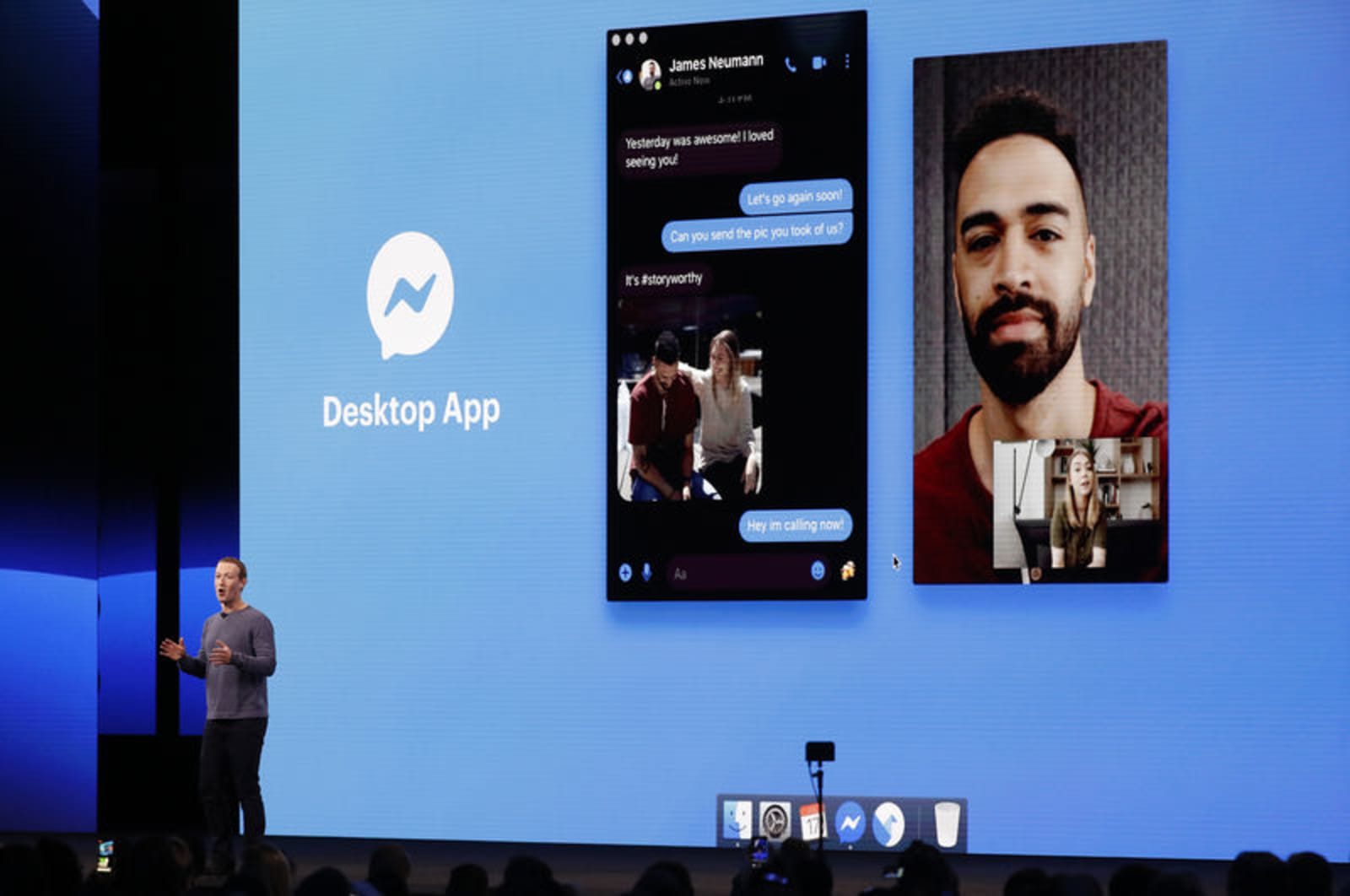
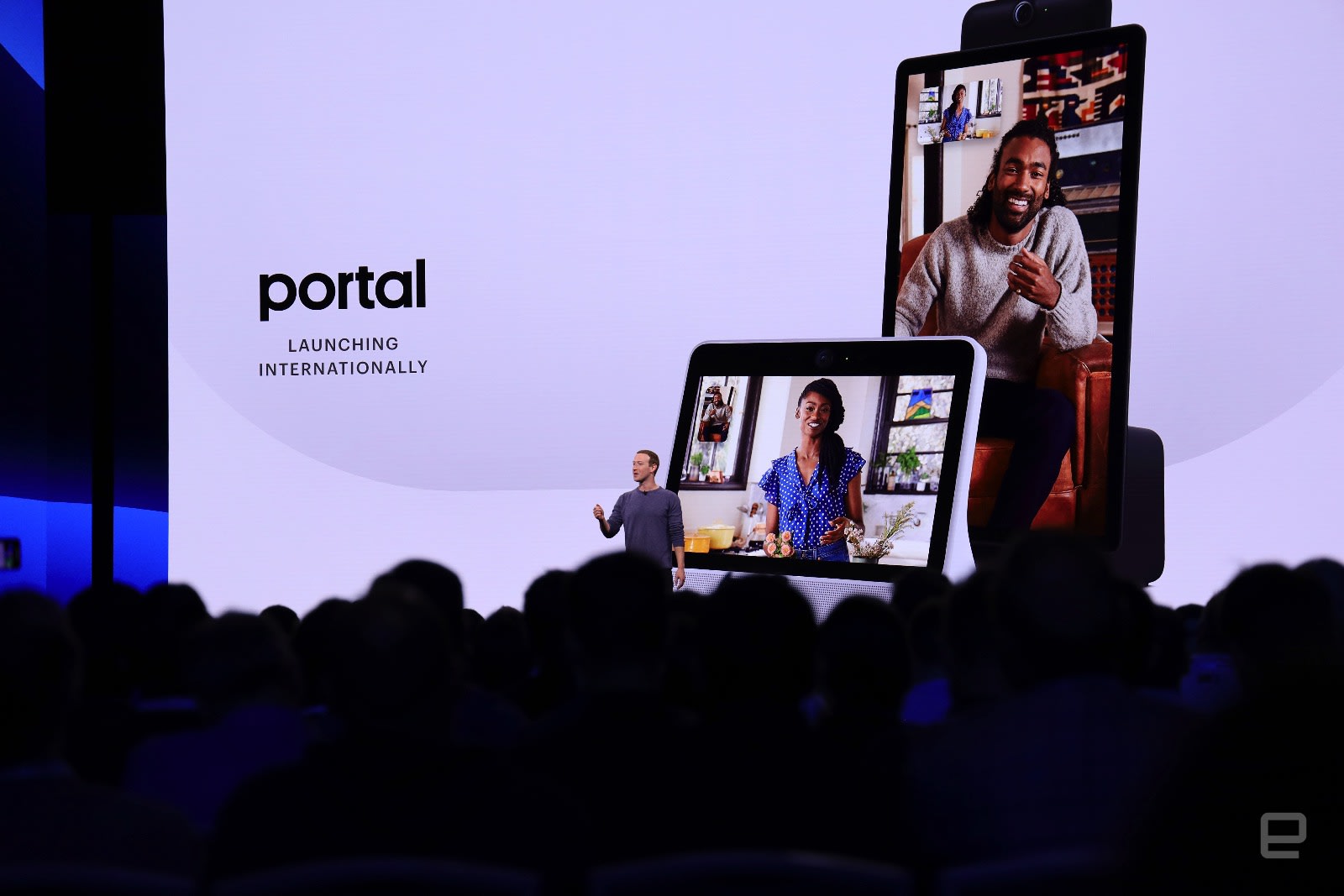
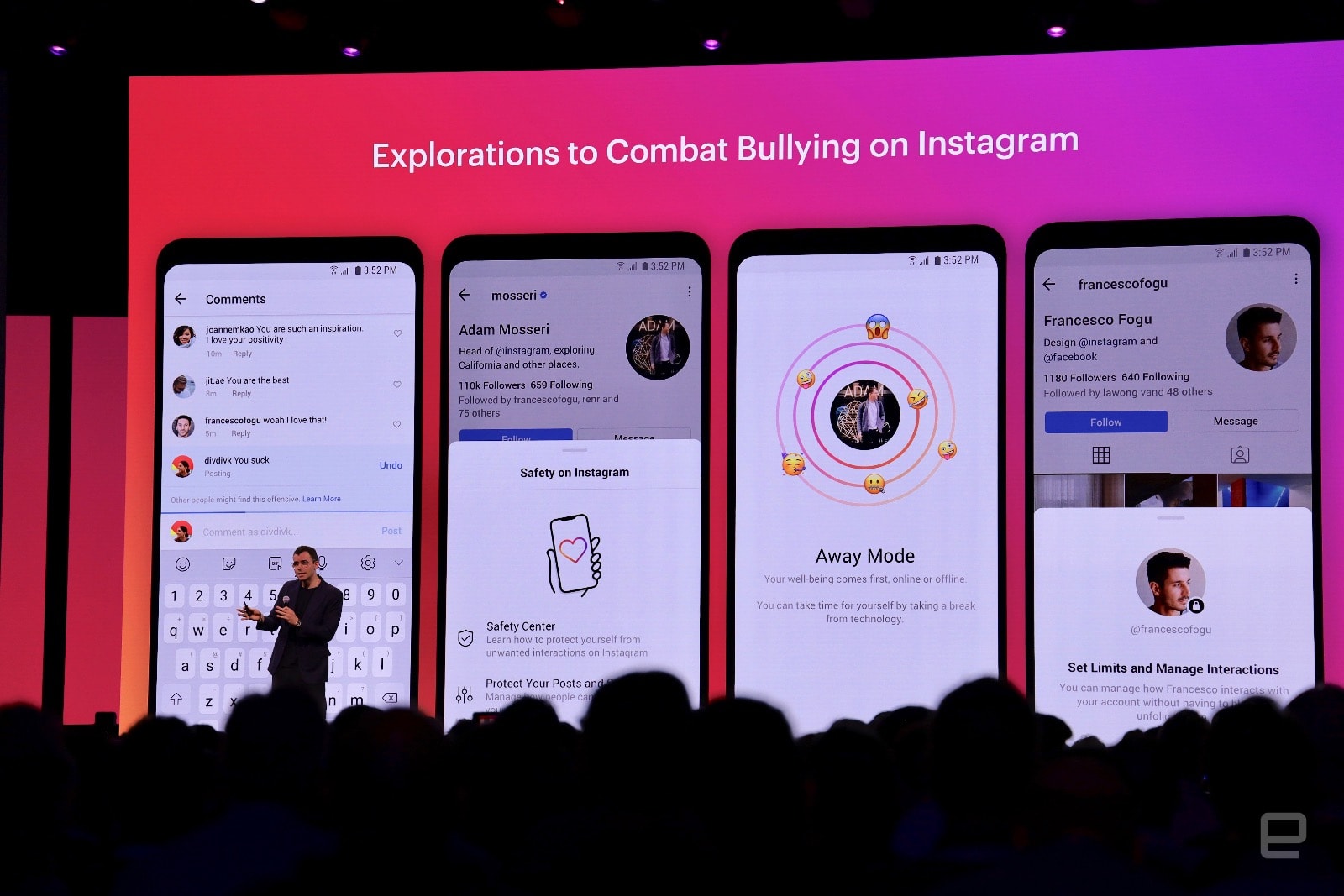
There were rumors that Facebook was going to make its messaging products interoperable, but now it appears they're about to be a reality. At F8, Messenger's head of consumer product Asha Sharma said that in the future, users will soon be able to send...It's a step in the right direction for sports fan, but still just a drop in the bucket.
Each of Major League Baseball's 30 teams has 162 games scheduled for the 2019 season. That's some 2,400 (give or take) games across the American and National leagues. Today, it was announced that YouTube and YouTube TV will exclusively stream 13 of those games.
Here's what you need to know:
And, well, that's it. This isn't anywhere near Earth-shaking news, of course. That's about one-half of 1 percent of all the games on the schedule. And the prospect of Logan Paul hamming it up during the seventh-inning stretch is downright insane. Or Pat and Jen doing whatever it is they do atop America's National Pastime. (It likely won't be either of those Circles of Hell, of course. Probably.)
So, yeah. You'll be able to watch a handful of MLB games exclusively on YouTube or YouTube TV. (Here's how to watch everywhere else.)
YouTube TV, if you're looking at getting on board, costs $50 a month. There are no additional plans or options — but there are a number of add-ons available, like EPIX, Shudder, Fox Soccer Network and more. (Notably missing, however, is HBO.)
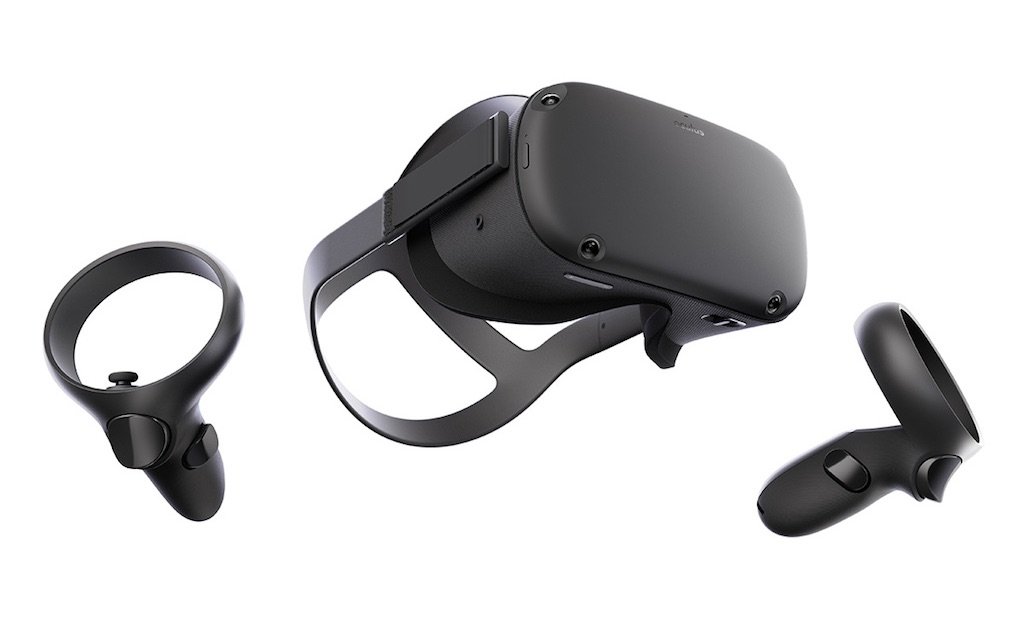
We've followed the Oculus Quest since day zero and we've used all of its competitors and siblings so we know how much storage you need to enjoy VR.
The 64GB variant of the Oculus Quest supports all the same features and games as the version with larger storage. It has enough space for many users but will fill up if you're a hardcore gamer and its lack of a microSD slot makes storage limitations a bigger issue.
This version of the Oculus Quest sports 128GB of storage which is more than enough for multiple games and lots of media to enjoy, though it still doesn't have a microSD slot.
Both versions of the Oculus Quest support the same exact features and have the same library of games. The only difference is the amount of storage available and the price of each device.
Storage and price. Those are the only factors to look at when comparing these devices. They both support all of the same games, features, and form factor. They're even the same colors. The only difference is the amount of storage available and the price of the device.
The price jump might be the main deciding factor for users because you don't give anything up when you opt for the option with larger storage.
| Category | Oculus Quest 64GB | Oculus Quest 128GB |
|---|---|---|
| Hand controls | 2 touch controllers | 2 touch controllers |
| Storage | 64GB | 128GB |
| 6 degrees of freedom | Yes | Yes |
| Oculus Guardian tracking | Yes | Yes |
| microSD slot | No | No |
| USB-C storage support | Yes | Yes |
| Price | $399 | $499 |
The Oculus Quest can be used for gaming and media, but the type of content that's most likely to eat up your storage is games. On the Oculus Rift Beat Saber requires 2.34GB of storage and SUPERHOT VR requires 5.21 GB of storage. The Climb is a larger title and requires 12.88GB of storage on the Oculus Rift. These games will occupy a little less storage on Oculus Quest but should give a general idea of the size of games in the launch lineup.
If you're trying to be savvy with your money, or you just don't want to pay for storage you won't use, then it's important to examine how you plan to use the Oculus Quest and figure out how much storage you need.
If you're a hardcore gamer and you want to download a lot of titles on your Oculus Quest, then you should opt for the 128GB variant of the headset. The Oculus Quest doesn't have a microSD card slot so once it's full, you'll have to delete games or media to free up space.
If you plan to uninstall games as you get bored with them or finish them, then you're probably going to be just fine with the 64GB version. We don't know the exact size of games on the Oculus Quest but based off of the size of games on the Oculus Rift, you'll be able to fit multiple titles onto a 64GB device.
While the Oculus Quest doesn't have a microSD slot, it does support USB-C storage. This is a nice addition and makes it easy to import media from other devices, but it's not a permanent solution and won't work with games.
While we don't know the exact size of the most popular titles on the Oculus Quest, they're likely to be large if they're similar to their siblings on the Oculus Rift. That being said, they probably won't be so large that you can't have two or three of them fit on a 64GB variant of the Oculus Quest.
If you're the type of user that plays two or three games at a time and then removes them from a device, then you probably don't need to spend the extra money for an additional 64GB of storage.
If budget isn't a factor for you, or you just want to make it more likely that you'll always be able to store your games and media on your VR headset, then you should get the 128GB variant of the Oculus Quest. You don't give up any features when you increase storage size, so it's a one-time investment to get a better device.
Oculus Quest 64GB
Budget friendly with enough storage for many users
The 64GB version of the Oculus Quest supports all the same features and games as the larger version. While it's unfortunate that there isn't a microSD card slot, it has enough space for users who only keep a few games on the device at a time.
Enough storage for a larger library.
This version with a larger storage capacity will be able to keep more games and media on your device at once. While it still doesn't have a microSD slot, it can store multiple games and a number of larger media files.
A Play Store redesign for the platform is also in the works.
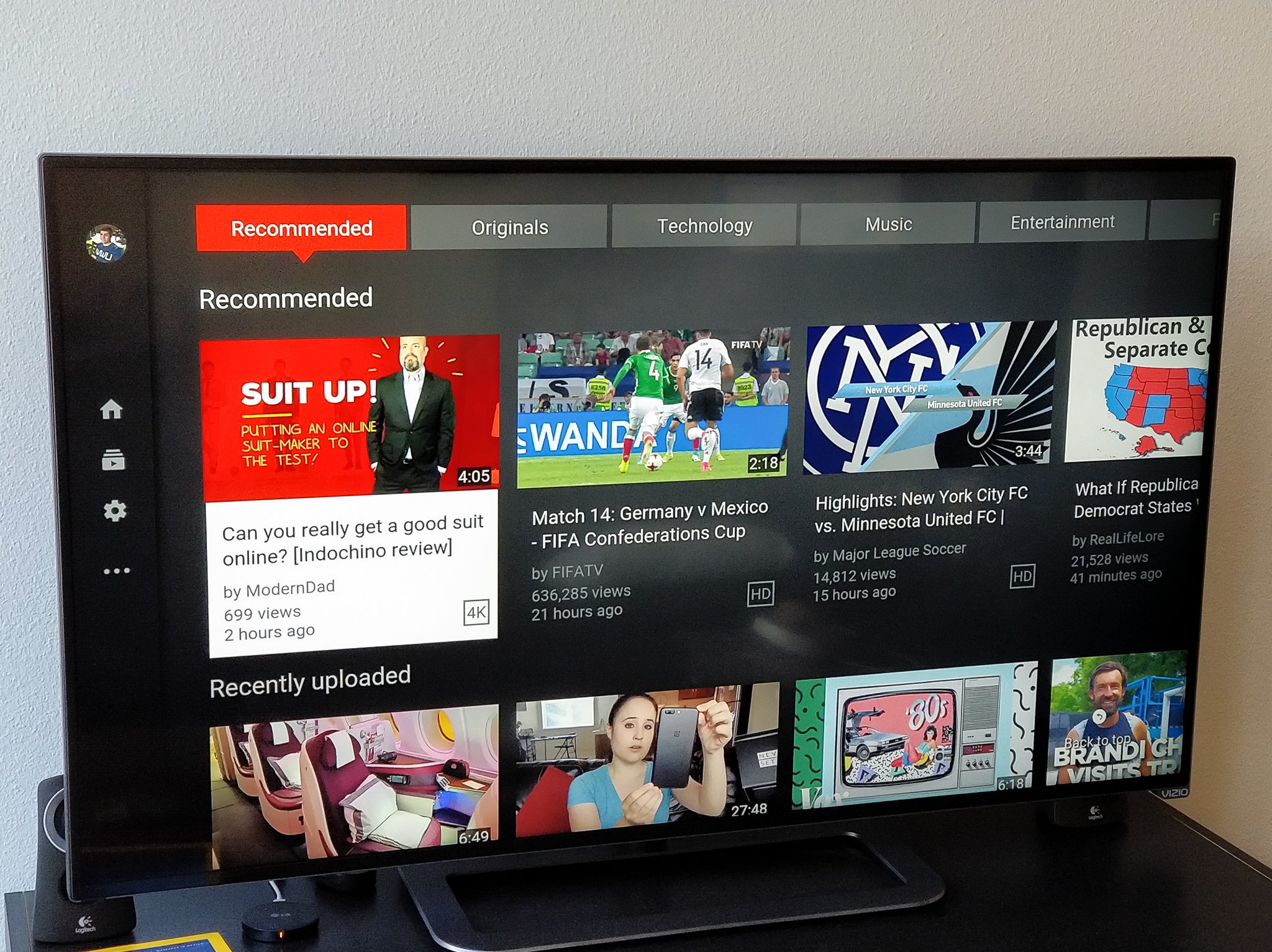
Android TV has struggled over the years to break into the mainstream with Roku, Apple TV, Chromecast, and Amazon Fire TV dominating the TV set-top box market. While Android TV may not be the leader right now, new statistics show that it is on the rise.
Shalini Govil-Pai recently stated in an interview that Android TV now has a total of 5,000 apps and games up from 3,000 this time last year. This surge in app development is promising for the stagnant platform as it looks to expand its reach.
Of course, an increase in apps and games don't mean anything if it's not content people need or want. While the numbers are going up the platform is still missing many popular apps such as Discovery, DirecTV Now, Epix, Nick Jr., Watch TNT, and more. Even when some apps are available, it doesn't mean they're fully functional. For example, the Hulu app is out of date and doesn't support the service's live TV streaming.
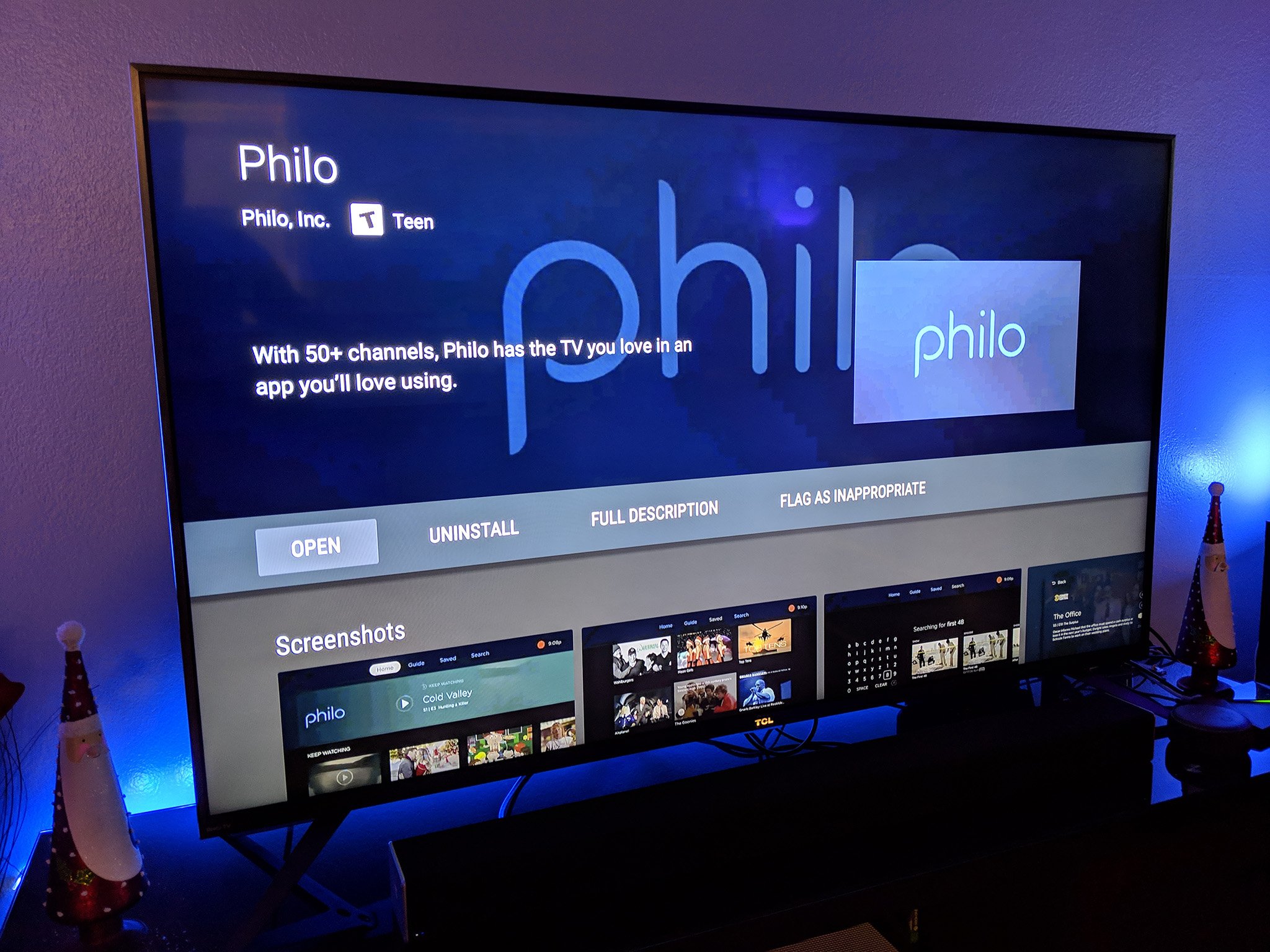
The tide does seem to be turning, however, as Google and Amazon have recently come to an agreement to allow access to each other's respective streaming services. The NCAA's March Madness app also made an appearance this year just in time for the 2019 tournament. And while Govil-Pai had nothing to say about the missing apps, Google spokesman Ivy Chen says, "there are conversations happening, and we're optimistic for them coming on board."
Google's aspirations for Android TV don't end with video. Once more support for video apps has been added, Google will next look to expand into more fitness and education apps, as well as games for the platform. There is even a redesign for the Play Store in the works with video previews of apps in order to make the experience more cinematic.
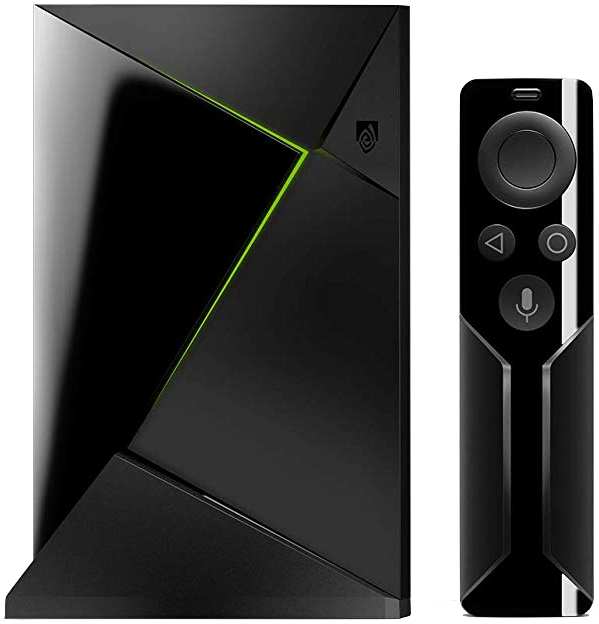
Despite having tens of millions of users, the majority of them do not use Android TV set-top boxes. The best Android TV box to date is NVIDIA Shield TV and it is now more than two years old. Google itself hasn't released an Android box since the Nexus Player back in 2014, and we're still waiting on the JBL Link Bar to arrive, which combines a soundbar and Android TV box into one device.
Chen says we can look forward some future hardware announcements in the coming weeks, as well as even more devices expected this fall. That's good news for the platform and comes from Google assuring partners there is a renewed focus on Android TV with Govil-Pai saying:
The fact that Google is investing and is 100 percent committed to it, and we're putting our best foot forward on it, I think that is the change that people are looking for.
For now, the majority of Android TV users are those with TVs and cable boxes running Android TV.
Google is also toying with the notion of allowing users to subscribe directly to channels such as HBO, Showtime, or CBS Now similar to how Roku and Amazon currently do things, instead of using apps. Govil-Pai said, "A lot of our partners have told us that they're having success with the Channels model" and continued by saying:
At the same time, there are other partners who say they will never move away from apps, because apps give us the freedom to have that direct relationship with our consumers.
We expect to see more numbers about the platform on May 7 at Google I/O, but until then, things are looking up for Android TV.
Android TV at its best
When it comes to Android TV boxes, the NVIDIA Shield TV is the king of the mountain. No other box on the market has been able to touch it in overall features and performance. Between the 4K HDR support, Dolby Atmos and DTS-X passthrough, and support for Google Assistant, you can't beat this box when it comes to Android TV.
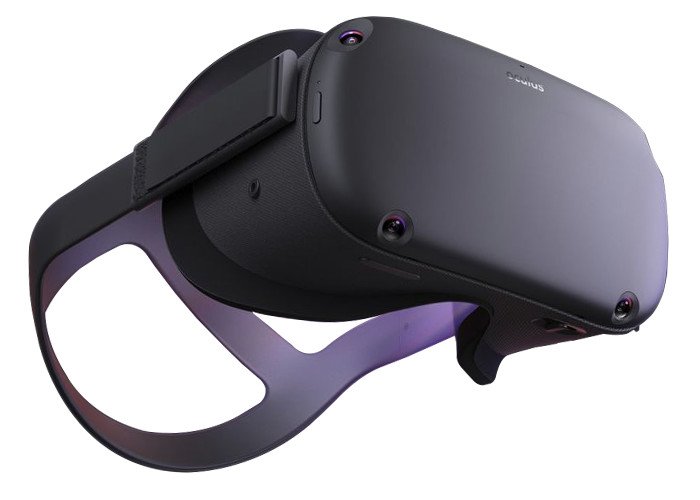
Best answer: The Oculus Quest is now available for preorder through Amazon. The headset will be released on May 21 2019.
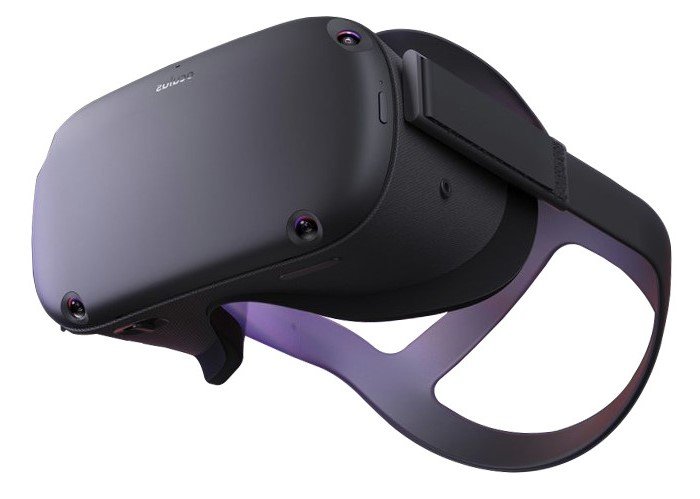
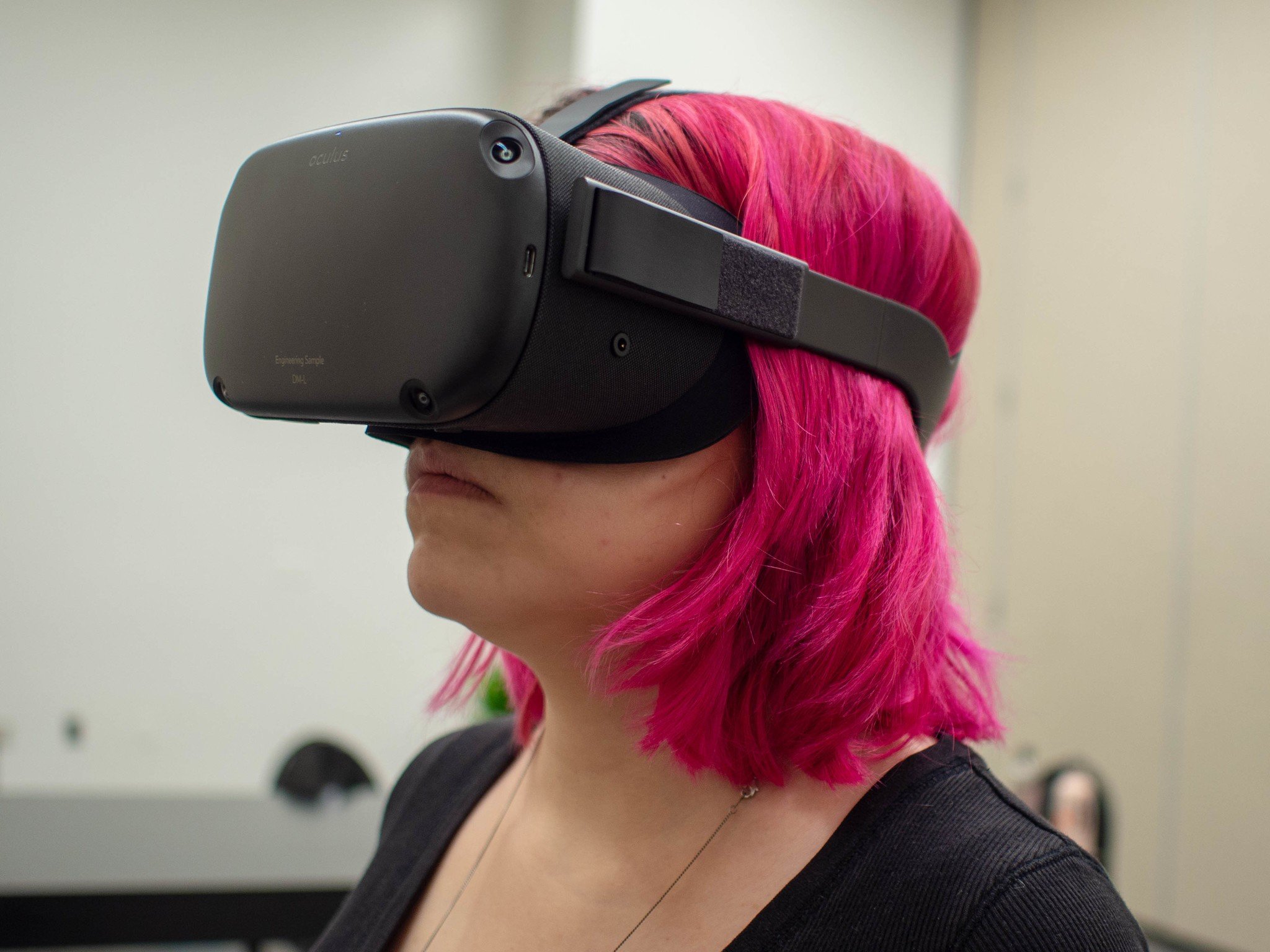
The Oculus Quest is an immersive virtual reality headset that doesn't require a PC. It stands alone as a device and as a result, you gain more freedom of movement and don't need to have a powerful PC to use it. With its $399 pricetag it sits squarely between the Oculus Go and the Oculus Rift in terms of pricing.
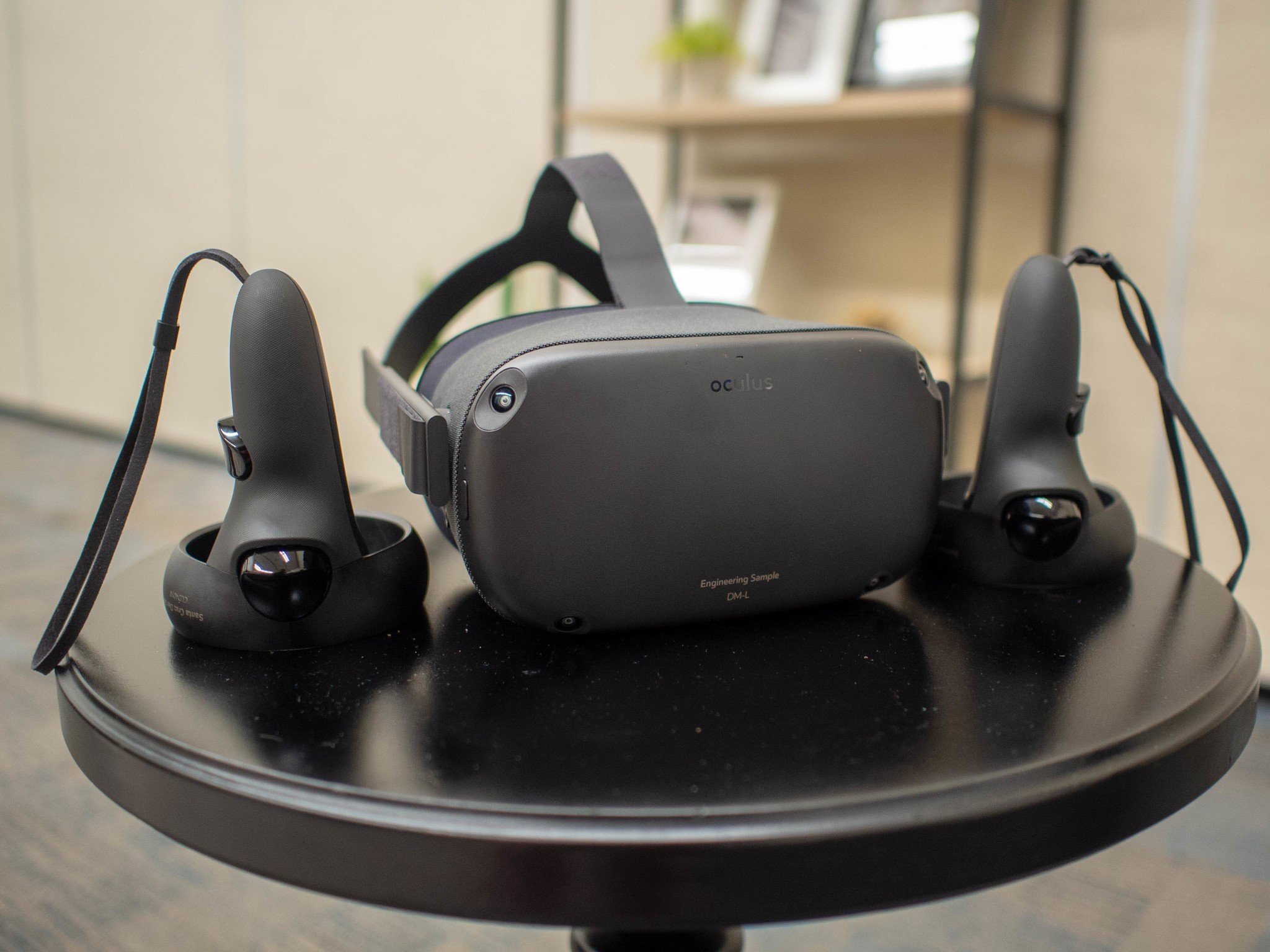
The Oculus Quest supports six degrees of freedom, which means it can track your movements forward, back, left, right, up, and down. It also has two touch controllers, similar to the Oculus Rift, which makes it perfect for games like Beat Saber and first-person shooters.
Oculus made it so developers can port games over from the Oculus Rift. As a result, the library of games that have been confirmed for the Oculus Quest is already impressive and is growing quickly.
The Oculus Quest will eventually be available at a number of retailers, but for now, preorders have to be made through Amazon. Preorders are available in 64GB and 128GB.
The Oculus Quest has two different price points depending on the amount of storage you need. The 64GB version is $399 and the 128GB version costs $499. Note that the Oculus Quest doesn't support expandable storage so you'll want to make sure you purchase the right one for you.
Place your order for an Oculus Quest, the latest VR headset from Oculus. It's the most powerful standalone headset Oculus has made and has an impressive library of games already.